Treatments

Physician-led care. Advanced treatments.

Personalized care for your face, skin and body.

Treatments & technologies

  • Botox®
  • Xeomin®
  • RHA®
  • Radiesse®
  • Morpheus8®
  • Forma®
  • Vasculaze®
  • BodyFX®
  • MiniFX®
  • miraDry®
  • Evolve®
  • Votiva®
  • FaceTITE®
  • BodyTITE®
  • AccuTITE®

Injectables

Editorial photograph of a neck and shoulder, a hand with a gold ring resting at the jaw.

Botox & Xeomin

Wrinkle relaxers for expression lines.

Brands Botox®, Xeomin®

Typical visit
15–30 min
Downtime
Usually little downtimeSmall bruises can last longer.
Lasts
3–4 months
Listed price
Ask for pricing
Areas
  • Frown lines
  • Forehead
  • Crow’s feet
  • +1
A gloved hand holding a fine syringe against a white background.

RHA Dermal Fillers

Hyaluronic acid fillers for facial lines and volume.

Brands RHA®

Typical visit
30–60 min
Downtime
Plan for swelling or bruisingVisible effects may last one to two weeks or longer.
Lasts
Varies by gel and area
Listed price
From $450
Areas
  • Smile lines
  • Lips
  • Cheeks
  • +1
Editorial close crop of a cheek, jawline and neck in soft studio light.

Radiesse

A calcium-based filler for support and collagen stimulation.

Brands Radiesse®

Typical visit
30–60 min
Downtime
Plan for swelling or bruisingHow long this lasts varies by area and person.
Lasts
Varies by treatment area
Listed price
From $750
Areas
  • Jawline
  • Smile lines
  • Backs of hands
  • +2

Laser hair removal

Two bare legs crossed in the air against a white ground, in soft monotone.

Laser Hair Removal

Long-term hair reduction across fifteen face and body areas.

Typical visit
10–75 min
Downtime
Usually little downtimeRedness or swelling may last one to three days.
Lasts
Reduction, with occasional maintenance
Listed price
$100–$500
Areas
  • Face
  • Underarms
  • Arms
  • +3

Facials

A close crop of white feather barbs flowing diagonally.

Dermaplaning

Exfoliation and temporary removal of fine facial hair.

Typical visit
20–40 min
Downtime
Usually little downtimeTemporary pinkness or irritation can occur.
Lasts
Temporary smoothingFine facial hair regrows.
Listed price
$75
Areas
  • Dull skin
  • Rough texture
  • Peach fuzz
  • +1
Hands mixing a peel solution in a glass bowl with a soft brush, in near-monochrome.

Chemical Peel

Acid exfoliation for smoother texture and more even tone.

Typical visit
30–45 min
Downtime
Depends on the peelDepth and ingredients determine visible healing.
Lasts
Varies with peel and skin care
Listed price
$100
Areas
  • Tone and spots
  • Texture
  • Fine lines or acne
Gloved hands guiding a microneedling pen along a jawline, in soft monochrome.

Microneedling

Fine needles stimulate skin repair to improve selected scars and wrinkles.

Typical visit
30–60 minConfirm whether numbing time is included.
Downtime
2–4 days
Lasts
Months, with maintenance visits
Listed price
$300
Areas
  • Facial acne scars
  • Facial wrinkles
  • Other scars or areas

Advanced facials

A glass prism throwing a soft starburst of light across a pale surface.

IPL Photofacial

Intense pulsed light for sun spots and visible redness.

Typical visit
15–45 min
Downtime
1–7 days
Lasts
Depends on sun care
Listed price
$200–$700
Areas
  • Spot treatment
  • Face
  • Face + neck
  • +2
A shoulder beaded with fine dew droplets, in black and white; the face is out of frame.

Morpheus8

Radiofrequency microneedling for skin texture and firmness.

Brands Morpheus8®

Typical visit
60–90 min
Downtime
2–5 days
Lasts
Varies; maintenance may help
Listed price
$1,200–$1,400
Areas
  • Face
  • Face + neck
  • Texture and pores
A neck and collarbone with a fine chain, in bands of window light; the face is out of frame.

Forma

Needle-free radiofrequency for mild skin laxity.

Brands Forma®

Typical visit
30–60 min
Downtime
Usually little downtimeTemporary redness or discomfort can occur.
Lasts
Varies, with maintenance
Listed price
$250–$500
Areas
  • Spot
  • Facial
  • Body

Body

Also available: Forma · Body, explained with the face and spot options.

Fine threads of muted red ink branching through pale water.

Vasculaze

Laser treatment for selected small visible veins and vessels.

Brands Vasculaze®

Typical visit
Brief, by size of area
Downtime
Redness, sometimes crusting
Lasts
Varies; new vessels can appear
Listed price
$200–$600
Areas
  • Small area
  • Medium area
  • Large area
A black-and-white study of a torso in a cropped top, hands resting at the waist; the face is out of frame.

BodyFX & MiniFX

Non-surgical treatment to improve the appearance of cellulite.

Brands BodyFX®, MiniFX®

Typical visit
Varies with the area treated
Downtime
0–1 day
Lasts
Varies from person to person
Listed price
$600Full service; eligible touch-up listed separately.
Areas
  • Abdomen & flanks
  • Thighs
  • Arms
  • +1
Crisp water droplets beading on cool pale glass.

miraDry

Treatment to reduce excessive underarm sweating.

Brands miraDry®

Typical visit
60 min
Downtime
Routine and exercise resume as advisedSwelling or altered sensation can persist for weeks.
Lasts
Long-lasting, varies by person
Listed price
$1,950
Areas
  • Sweating
  • Odor
  • Underarm hair
A black-and-white study of a bare back and waist against a dark ground, face turned away.

Evolve Trim & Tite

Hands-free radiofrequency for body contouring and skin laxity.

Brands Evolve®

Typical visit
Varies with the areas treated
Downtime
Little to none
Lasts
Varies from person to person
Listed price
$500Initial entry; conditional options listed separately.
Areas
  • Abdomen
  • Flanks
  • Thighs
  • +1
A single white lily floating on rippled, sunlit water.

Votiva

A consultation-led discussion of intimate-area radiofrequency treatment.

Brands Votiva®

Typical visit
Discussed at consultation
Downtime
Reviewed at your consultation
Lasts
Not established
Listed price
$750
Areas
  • Internal + external
  • Internal only

TITE procedures

A black-and-white profile of a woman’s face, jawline and neck, hair swept back.

FaceTITE

Minimally invasive radiofrequency contouring of the lower face and neck.

Brands FaceTITE®

Typical visit
60–120 min
Downtime
Plan time away from routineSwelling and altered sensation may persist for weeks.
Lasts
Long-lasting; aging continues
Listed price
From $5,000
Areas
  • Jowls
  • Lower face
  • Under the chin
  • +1
A slender torso in a white top and briefs against a pale grey ground, arms raised; face out of frame.

BodyTITE

Minimally invasive radiofrequency contouring of selected body areas.

Brands BodyTITE®

Typical visit
90–180 min
Downtime
Plan time away from routineSwelling and altered sensation may persist for weeks.
Lasts
Long-lasting; aging continues
Listed price
From $5,000
Areas
  • Abdomen
  • Arms
  • Thighs
  • +2
A black-and-white study of a neck and collarbone in deep shadow; the face is out of frame.

AccuTITE

Minimally invasive radiofrequency for small, precise areas.

Brands AccuTITE®

Typical visit
45–90 min
Downtime
Plan time away from routineSwelling and altered sensation may persist for weeks.
Lasts
Long-lasting; aging continues
Listed price
From $3,000
Areas
  • Brow
  • Around the eyes
  • Smile lines
  • +3

Make time for yourself.

Find a time that works for you.

Book online

Explore the treatments on our booking menu. Your clinician discusses suitability, expected results and current options with you.

Injectables · 01 of 03

Botox & Xeomin

Wrinkle relaxers for expression lines.

Typical visit
15–30 min
Downtime
Usually little downtimeSmall bruises can last longer.
First results
Within several daysFull effect may take up to about a month.
Lasts
3–4 months
Treatment plan
Repeat as advisedThe two-week review is a separate follow-up.

Typical estimates. Your clinician explains the timing, recovery and treatment plan for you.

In brief

What this treatment does.

Botox and Xeomin temporarily relax muscles that create expression lines. Treatment can soften frown lines, forehead lines and crow’s feet. Your clinical team recommends the product and placement under physician direction; the products’ doses are not interchangeable.

  • Frown lines between the brows
  • Horizontal forehead lines
  • Crow’s feet at the eyes

Prices & options

Choose your area or option.

Ask for pricing

No treatment price or number of units is listed. Ask for the product, recommended units and total quote.

Explore the listed options
Book online

Choose your service again on Vagaro to schedule your appointment.

Follow-up appointments

Reviews check a previous treatment. The booking menu lists more than one follow-up entry with different price information; ask which applies and whether a fee is due.

  • Wrinkle-relaxer follow-upComplimentary

    Booking entry: Neurotoxin Follow-Up.

    Ask about this review
  • Wrinkle-relaxer follow-upPrice not listed

    Booking entry: Follow-Up - Neurotoxin. Required appointment scheduled two weeks after the initial injection appointment.

    Ask about this review

Menu prices observed November 1, 2026. Confirm current availability, inclusions and your total before booking.

Full service menu

Before you decide

Suitability and important risks.

Get emergency medical help right away for problems swallowing, speaking or breathing after treatment. Tell the clinician about prior botulinum toxin treatments, allergies, medications and nerve or muscle conditions.

Your health, medicines and previous treatments affect what is appropriate. Discuss benefits, risks and alternatives with the clinical team.

Who might consider it, and when to ask first

Often a good fit

  • Adults bothered by lines on the upper face
  • Anyone who wants to look rested rather than changed
  • People comfortable with repeat visits every few months

Discuss before booking

  • Anyone pregnant or breastfeeding
  • A skin infection where the injections would go
  • An allergy to an ingredient, or a past reaction to another botulinum toxin
  • A nerve or muscle condition, or any other open question: your clinician will talk it through with you first.

Visit & aftercare

Know what to expect.

The visit, step by step
  1. Consultation

    Your clinician reviews your goals and health history, and asks about any botulinum toxin you have had, including which product and when.

  2. Mapping

    Your skin is cleansed and the injection points are marked while you frown, raise your brows and smile.

  3. Treatment

    A series of small injections with a fine needle. The injections themselves usually take about 10 to 15 minutes, and most people describe a pinch.

  4. Back to your day

    You can return to normal activity straight away. Small bumps or a little bruising at the injection points are the most common effects.

  5. Results and follow-up

    Within several days. Full effect may take up to about a month. Keep the required two-week review to discuss your response; a review does not automatically include further injections.

Caring for your skin afterwards
  • Avoid rubbing or pressing the treated area for the first several hours.
  • Skip strenuous exercise and heat such as saunas for the rest of the day.
  • Keep your two-week follow-up so the result can be checked and refined.
  • Avoid driving and hazardous activity if you notice muscle weakness, blurred vision or dizziness.
  • Get emergency medical help right away for trouble swallowing, speaking or breathing; do not wait for an office callback.
Areas and concerns to discuss

Frown lines

The vertical lines between the brows, an approved area for both Botox Cosmetic and Xeomin.

Forehead

Horizontal lines, treated with attention to how your brows rest and lift.

Crow’s feet

The fan of lines at the outer corners of the eyes that deepens when you smile.

Neck bands

Vertical platysma bands, an approved area for Botox Cosmetic only.

Other areas

Use outside the approved areas is off-label, and your clinician will tell you plainly when a plan falls into that group.

How it works & evidence

The detail behind the treatment.

How it works, evidence and device labeling

Botox and Xeomin are botulinum toxin type A medicines. In small, placed doses they temporarily quiet the muscles that fold your skin into expression lines. Your clinician plans the dose and placement by watching how your face moves at rest and in conversation.

Botox Cosmetic is FDA-approved in adults to temporarily improve moderate to severe forehead lines, crow’s feet and frown lines between the eyebrows, and the vertical neck bands known as platysma bands. Xeomin is FDA-approved in adults for moderate to severe upper facial lines: frown lines, forehead lines and crow’s feet. The doses of the two products are measured differently and are not interchangeable.

Within several days. Full effect may take up to about a month. 3–4 months A review two weeks after the initial injection appointment is required by the booking menu.

Device clearance and approval apply to particular products and uses. Ask which device or formulation will be used for your treatment.

Questions

Your questions about Botox & Xeomin.

How do Botox and Xeomin differ?

Both are botulinum toxin type A and work the same way, with broadly similar onset and duration. Botox Cosmetic is also FDA-approved for neck bands, while Xeomin’s approval covers the three upper-face areas.

Does it hurt?

Most people describe it as a pinch. Injection-site discomfort and small bruises are the most common effects, and they usually settle on their own.

When will I see results?

Within several days. Full effect may take up to about a month. 3–4 months

Why is there a follow-up at two weeks?

Your first neurotoxin appointment is followed by a required visit two weeks later. By then most of the effect has appeared, so your clinician can check how evenly it has settled and adjust if needed. The full effect can take up to 30 days, so it is a check rather than the final word.

How is this different from a filler?

Neurotoxins relax muscle movement to soften lines caused by expression. Fillers, such as RHA and Radiesse on our menu, add volume or support where tissue has thinned.

Can I switch between the two products?

Yes, but tell us which one you had and when. Their doses are not interchangeable, and any botulinum toxin in the past four months needs to be known before another treatment.

General treatment information. Your clinician explains the choices appropriate for you.

Injectables · 02 of 03

RHA Dermal Fillers

Hyaluronic acid fillers for facial lines and volume.

Typical visit
30–60 min
Downtime
Plan for swelling or bruisingVisible effects may last one to two weeks or longer.
First results
Immediately
Lasts
Varies by gel and area
Treatment plan
Treatment, then a reviewRepeat treatment is based on your response.

Typical estimates. Your clinician explains the timing, recovery and treatment plan for you.

In brief

What this treatment does.

RHA is a family of hyaluronic acid fillers used for facial lines and volume. Different gels suit different areas. Your clinician will explain which formulation is available, where it is appropriate and the amount recommended before you decide.

  • Smile lines beside the nose
  • Lines around the mouth
  • Lip shape and fullness

Prices & options

Choose your area or option.

From $450

Starting price for the listed RHA service. The menu does not state the formulation, syringe size or amount included.

Listed service
Book online

Choose your service again on Vagaro to schedule your appointment.

Follow-up appointments

Reviews check a previous treatment. The booking menu lists more than one follow-up entry with different price information; ask which applies and whether a fee is due.

  • Filler follow-up · RHA or RadiesseComplimentary

    Booking entry: Filler Follow-Up.

    Ask about this review
  • Filler follow-up · RHA or RadiessePrice not listed

    Booking entry: Follow-Up - Filler. Required appointment scheduled two weeks after the initial injection appointment.

    Ask about this review

Menu prices observed November 1, 2026. Confirm current availability, inclusions and your total before booking.

Full service menu

Before you decide

Suitability and important risks.

Accidental injection into a blood vessel can cause tissue injury, blindness or stroke. Seek immediate medical attention for unusual pain, white, gray or blue skin, changes in vision or stroke symptoms. Do not wait for an office callback.

Your health, medicines and previous treatments affect what is appropriate. Discuss benefits, risks and alternatives with the clinical team.

Who might consider it, and when to ask first

Often a good fit

  • Adults 22 and older
  • Lines that deepen as you speak and smile
  • Anyone who wants a gradual, adjustable change
  • First-time filler clients who prefer to start small

Discuss before booking

  • Anyone pregnant or breastfeeding, as safety has not been established
  • A history of severe allergies, or an allergy to lidocaine or similar anesthetics
  • An active infection, cold sore or skin condition at the site
  • Blood thinners, a tendency to keloid scars, or any other open question: bring it to your clinician first.

Visit & aftercare

Know what to expect.

The visit, step by step
  1. Consultation

    Your clinician studies your face at rest and in motion, and reviews your goals, allergies and medical history, including blood thinners.

  2. Comfort

    The area is cleansed and numbed, usually with a topical cream, and the gels contain a local anesthetic. For the lips, a local or nerve block is sometimes used.

  3. Placement

    Small amounts are placed with a fine needle or a cannula. You see the change as it happens and can give your input along the way.

  4. Settling

    Redness, tenderness, firmness, swelling, lumps or bruising are common. In the study behind the RHA 2 label, more than 70 percent of these responses had resolved by day 7 and more than 85 percent by day 14.

  5. Results and follow-up

    Your follow-up is scheduled two weeks after your first filler appointment. By then early swelling has settled, so your clinician can see the true result and decide whether a touch-up would help.

Caring for your skin afterwards
  • Use a cold compress briefly, with a cloth between the ice and your skin, to ease swelling.
  • Avoid strenuous exercise, heat and strong sun for the first 24 hours.
  • Do not press on or massage the area unless we ask you to.
  • Wait until the area has settled before a laser, peel or other skin procedure, and ask us how long.
  • Seek immediate medical attention for unusual pain, white, gray or blue skin, or any change in vision. Do not wait for an office callback.
Areas and concerns to discuss

Smile lines

The folds from nose to mouth, an approved area for RHA 2, RHA 3 and RHA 4, softened rather than erased.

Lips

RHA 3 is approved for the lip body, border and corners of the mouth, for shape and fullness.

Cheeks

RHA 4 is approved for cheek augmentation and age-related midface contour deficiencies.

Perioral lines

RHA Redensity is approved for the fine lines around the mouth.

Other areas

Any area beyond a gel’s approved indications is off-label, and your clinician will tell you so plainly before you decide.

How it works & evidence

The detail behind the treatment.

How it works, evidence and device labeling

Hyaluronic acid is a sugar your body already makes. It holds water and cushions tissue. Your clinician uses the RHA collection to soften lines and restore volume, choosing the gel and the placement for each area of your face.

The RHA collection is made by Teoxane and is FDA-approved, with indications that differ by gel. RHA 2, RHA 3 and RHA 4 are FDA-approved for moderate to severe dynamic facial wrinkles and folds, such as nasolabial folds, in adults 22 and older. RHA 3 is also approved for lip augmentation, RHA 4 for cheek augmentation and age-related midface contour deficiencies, and RHA Redensity for lines around the mouth.

Dynamic lines are the ones that form as you talk, smile and frown. Hyaluronic acid can be dissolved with an enzyme, so filler is adjustable, and many people start gently and add later. A follow-up visit is scheduled two weeks after your first filler appointment to check how the gel has settled.

Device clearance and approval apply to particular products and uses. Ask which device or formulation will be used for your treatment.

Questions

Your questions about RHA Dermal Fillers.

What does RHA stand for?

Teoxane uses RHA for resilient hyaluronic acid. The gels are FDA-approved for dynamic wrinkles and folds, the lines that form as your face moves.

Does it hurt?

Most people feel pressure and brief stinging. Numbing cream and the local anesthetic built into the gels keep it comfortable for most.

How long will it last?

Varies by gel and area Your clinician will discuss the expected duration for your chosen product and area.

Why is there a follow-up at two weeks?

Swelling settles over the first one to two weeks, so two weeks is a fair point to judge the result. The visit is required after a first filler appointment, and your clinician uses it to decide whether a touch-up would help. In the RHA 2 label study, a touch-up at week two was part of the plan.

How does RHA compare with Radiesse?

RHA is hyaluronic acid. It adds volume directly and can be dissolved with an enzyme if needed. Radiesse is a calcium-based filler that lifts at once and then prompts collagen, and that enzyme does not dissolve it.

When can I exercise or have a facial?

Avoid strenuous exercise, heat and strong sun for 24 hours. For lasers, peels and other skin treatments, wait until the area has settled and ask us for timing.

General treatment information. Your clinician explains the choices appropriate for you.

Injectables · 03 of 03

Radiesse

A calcium-based filler for support and collagen stimulation.

Typical visit
30–60 min
Downtime
Plan for swelling or bruisingHow long this lasts varies by area and person.
First results
Immediately
Lasts
Varies by treatment area
Treatment plan
Treatment, then a reviewA review is not automatically another injection.

Typical estimates. Your clinician explains the timing, recovery and treatment plan for you.

In brief

What this treatment does.

Radiesse adds support with a calcium hydroxylapatite gel and stimulates collagen over time. Appropriate uses depend on the formulation and area. Unlike hyaluronic acid filler, it cannot be dissolved with hyaluronidase.

  • Jawline definition and contour
  • Smile lines and deeper folds
  • Volume loss in the hands

Prices & options

Choose your area or option.

From $750

Starting price for the listed Radiesse service. Confirm formulation, amount, treatment area and what the quote includes.

Listed service
Book online

Choose your service again on Vagaro to schedule your appointment.

Follow-up appointments

Reviews check a previous treatment. The booking menu lists more than one follow-up entry with different price information; ask which applies and whether a fee is due.

  • Filler follow-up · RHA or RadiesseComplimentary

    Booking entry: Filler Follow-Up.

    Ask about this review
  • Filler follow-up · RHA or RadiessePrice not listed

    Booking entry: Follow-Up - Filler. Required appointment scheduled two weeks after the initial injection appointment.

    Ask about this review

Menu prices observed November 1, 2026. Confirm current availability, inclusions and your total before booking.

Full service menu

Before you decide

Suitability and important risks.

Accidental injection into a blood vessel can cause tissue injury, blindness or stroke. Seek immediate medical attention for unusual pain, white, gray or blue skin, changes in vision or stroke symptoms. Do not wait for an office callback.

Your health, medicines and previous treatments affect what is appropriate. Discuss benefits, risks and alternatives with the clinical team.

Who might consider it, and when to ask first

Often a good fit

  • Adults 22 and older
  • People who want immediate lift with gradual collagen support
  • Anyone with jawline softening or volume loss in the hands

Discuss before booking

  • Anyone pregnant or breastfeeding, as safety has not been established
  • A bleeding disorder, a history of severe allergies, or an allergy to lidocaine
  • An active skin infection at the treatment site
  • Blood thinners, or any other open question: ask your clinician before booking.

Visit & aftercare

Know what to expect.

The visit, step by step
  1. Consultation

    Your clinician examines your facial structure or hands and reviews your goals, allergies, bleeding history and any blood thinners.

  2. Comfort

    The area is cleansed and numbed. The lidocaine version, Radiesse (+), helps keep the injections comfortable.

  3. Placement

    Radiesse is placed at the depth that suits the area. You see the lift as it goes in, though part of that early volume is gel that your body clears over the next weeks.

  4. Settling

    Swelling, redness, bruising, pain and itching at the injection sites are the most common effects. They settle on their own, and how long they take varies from person to person.

  5. Results and follow-up

    Your follow-up is scheduled two weeks after your first filler appointment, so your clinician can check how it has settled and whether anything needs refining. Collagen builds over the following months, and repeat treatment is planned around how it holds.

Caring for your skin afterwards
  • Limit strenuous exercise, sun and heat for about 24 hours, and until swelling or redness has settled.
  • Do not press on or massage the treated area unless we ask you to.
  • Keep your two-week follow-up so the result can be checked.
  • Tell any imaging team that you have had Radiesse, because it shows on X-rays and CT scans.
  • Seek immediate medical attention for unusual pain, white, gray or blue skin, or any change in vision. Do not wait for an office callback.
Areas and concerns to discuss

Jawline

Approved for Radiesse (+) in adults over 21, placed deep along the bone. Jaw function can change temporarily afterwards.

Smile lines

Moderate to severe folds such as the nasolabial folds, an approved area.

Backs of hands

Approved to restore volume where thinning skin shows veins and tendons.

Décolleté

Diluted with saline and approved for chest wrinkles in patients 22 and older, an approval from 2026.

Cheeks

Common in practice, but off-label: it is not an FDA-approved indication.

Not elsewhere

Safety and effectiveness have not been established for the lips or around the eyes, so we do not treat them with Radiesse.

How it works & evidence

The detail behind the treatment.

How it works, evidence and device labeling

Radiesse is made of tiny calcium hydroxylapatite particles, a mineral-like substance also found naturally in the body, suspended in a smooth gel. The gel gives lift and support at once, and over the following weeks the particles act as a scaffold that prompts your own skin to produce collagen. Your clinician decides where it goes and how much, starting from the structure of your face.

Radiesse, made by Merz, is FDA-approved as an injectable dermal filler. It is approved for subdermal implantation to correct moderate to severe facial wrinkles and folds, such as nasolabial folds, in adults 22 and older, and to restore volume to the back of the hands. The version containing lidocaine, Radiesse (+), is also approved for deep injection to improve moderate to severe loss of jawline contour in adults over 21, an approval the FDA granted in September 2021. Radiesse diluted with saline is approved for wrinkles in the décolleté in patients 22 and older, and cheek or midface use is common practice but not an FDA-approved indication.

The lift is visible straight away, and the collagen response builds gradually. Results vary, and the manufacturer reports results lasting up to two years. A follow-up visit is scheduled two weeks after your first filler appointment to check how it has settled.

Device clearance and approval apply to particular products and uses. Ask which device or formulation will be used for your treatment.

Questions

Your questions about Radiesse.

How is Radiesse different from RHA?

RHA is hyaluronic acid, which adds volume directly and can be dissolved with an enzyme if needed. Radiesse is calcium hydroxylapatite, which lifts at once and then prompts your skin to build collagen, and that enzyme does not dissolve it. Which suits you depends on the area and the result you want.

Does it hurt?

Most people feel pressure and brief stinging. Numbing and the lidocaine in the Radiesse (+) formulation help keep it comfortable.

How long does Radiesse last?

Varies by treatment area Your clinician will discuss the expected duration for your chosen product and area.

Why is there a follow-up at two weeks?

By then early swelling has typically eased, so it is a fair moment to judge the first result. The visit is required after a first filler appointment, and your clinician uses it to check placement and decide whether any refinement is needed.

Will it show on an X-ray or scan?

Yes. The calcium particles are radiopaque and can be seen on X-rays and CT scans, so tell any imaging team that you have had Radiesse.

What should I expect with hand treatment?

Radiesse is FDA-approved to restore volume to the back of the hands. Lumps or bumps can occur, and the manufacturer notes they may last up to a year, so tell us if you notice any.

General treatment information. Your clinician explains the choices appropriate for you.

Laser hair removal · 01 of 01

Laser Hair Removal

Long-term hair reduction across fifteen face and body areas.

Typical visit
10–75 min
Downtime
Usually little downtimeRedness or swelling may last one to three days.
First results
Gradual, over the series
Lasts
Reduction, with occasional maintenance
Treatment plan
Usually a seriesSpacing and number depend on the area, hair and device.

Typical estimates. Your clinician explains the timing, recovery and treatment plan for you.

In brief

What this treatment does.

Laser energy targets pigment in hair follicles to reduce regrowth. A series is usually needed, and maintenance may help. Hair color, skin tone, the treatment area and the laser used all affect suitability and results.

  • Tired of shaving or waxing
  • Dark hair on lighter skin
  • Razor bumps and ingrown hairs

Prices & options

Choose your area or option.

$100–$500

Price is listed by body area. The menu does not say whether it covers one session or a package.

Explore the listed options
Book online

Choose your service again on Vagaro to schedule your appointment.

Menu prices observed November 1, 2026. Confirm current availability, inclusions and your total before booking.

Full service menu

Before you decide

Suitability and important risks.

Your health, medicines and previous treatments affect what is appropriate. Discuss benefits, risks and alternatives with the clinical team.

Who might consider it, and when to ask first

Often a good fit

  • Adults with dark hair and light to medium skin
  • People with darker skin tones, when the laser and settings suit them
  • Anyone who wants fewer razor bumps or less shaving and waxing

Discuss before booking

  • Blond, red, gray or white hair, which often responds poorly because it holds little pigment
  • Anyone pregnant or breastfeeding
  • Tanned or sunburned skin, active cold sores, or a tendency to keloid scars
  • Certain medicines, a history of skin cancer, or any other question about your skin: ask your clinician first.

Visit & aftercare

Know what to expect.

The visit, step by step
  1. Consultation

    Your clinician reviews your hair color, skin tone, medicines and history, and confirms which areas to treat and whether laser suits you.

  2. Preparation

    Shave the area shortly before your visit, as we direct, and arrive without lotion, oil or makeup on it. We check for recent sun, since tanned skin raises the risk of side effects.

  3. Treatment

    Everyone in the room wears protective eyewear. Pulses of light feel like warm pinpricks or a rubber band snapped against the skin, and a numbing gel can be used beforehand on small, sensitive areas.

  4. Afterwards

    Skin is usually red and a little swollen, like a mild sunburn, for one to three days. A cool compress helps, and you can return to your normal activities.

  5. Series and review

    Usually a series. Spacing and number depend on the area, hair and device. Your clinician reviews the response and any need for maintenance.

Caring for your skin afterwards
  • Keep treated skin out of direct sun for at least a week, and wear broad-spectrum sunscreen.
  • Avoid tanning beds and sun lamps throughout your series.
  • Apply a cool compress if the area feels warm or swollen.
  • Shave rather than wax, tweeze or pluck between visits.
  • Skip perfumes, deodorants and other irritants on the area until it settles.
Areas and concerns to discuss

Face

Full face, lip, chin, lip and chin, or side-burns, booked as the area you need.

Underarms

A small area where hair generally responds well to laser.

Arms

Full arms or half arms, booked by the area you want treated.

Legs

Full legs or half legs, where larger areas can take an hour or more.

Chest, abdomen & back

Chest, abdomen and full back are each treated as their own area.

Bikini & Brazilian

Bikini and Brazilian are booked as separate areas, and we confirm what each covers before your visit.

How it works & evidence

The detail behind the treatment.

How it works, evidence and device labeling

Laser hair removal sends pulses of light into the hair, where the pigment absorbs it as heat and the follicle beneath is damaged, so it grows less hair. Treatments are performed under the direction of Your clinician who checks that your hair and skin suit the laser. We treat fifteen areas, from the lip to the legs, in a planned series.

Hair removal lasers are medical devices that the FDA clears rather than approves, for hair removal and for permanent hair reduction. The FDA defines permanent hair reduction as a long-term, stable reduction in the number of hairs regrowing, measured at 6, 9 and 12 months after a course of treatment is finished. It does not mean every hair is gone, and which skin tones a laser suits depends on its wavelength and settings.

Only follicles in the growth phase respond at a given visit, so treatment is usually repeated. Usually a series. Spacing and number depend on the area, hair and device. Regrowth may be sparser, finer and lighter. Results vary with hair color, thickness, skin tone and the area treated.

Device clearance and approval apply to particular products and uses. Ask which device or formulation will be used for your treatment.

Questions

Your questions about Laser Hair Removal.

Is it permanent?

It is a reduction rather than a removal. Many people see sparser, finer, lighter regrowth, and some return for occasional maintenance.

Does it hurt?

Most people describe warm pinpricks or a rubber band snapped against the skin. A numbing gel can be used on small, sensitive areas.

Can I treat blond, red or gray hair?

Usually not well. The laser targets pigment in the hair, and light hair holds little of it, so dermatology societies advise other methods for blond or white hair.

Can I wax between visits?

No. Waxing, tweezing and plucking pull out the hair root, which leaves the laser nothing to target. Shave instead, and stop waxing before your first visit for as long as we advise.

How much sun is too much?

Avoid sunbathing and tanning beds for at least two weeks before treatment, and direct sun for at least a week after. Tanned skin absorbs more of the light, which raises the risk of burns and color change.

How does it compare with dermaplaning?

Dermaplaning lifts away fine facial hair and dead skin at the surface, and the hair simply regrows. Laser hair removal acts on the follicle of pigmented hair and needs a series of visits.

General treatment information. Your clinician explains the choices appropriate for you.

Facials · 01 of 03

Dermaplaning

Exfoliation and temporary removal of fine facial hair.

Typical visit
20–40 min
Downtime
Usually little downtimeTemporary pinkness or irritation can occur.
First results
Immediately
Lasts
Temporary smoothingFine facial hair regrows.
Treatment plan
Repeat after skin recovers

Typical estimates. Your clinician explains the timing, recovery and treatment plan for you.

In brief

What this treatment does.

A sterile blade removes surface dead skin cells and fine facial hair. Skin may feel smoother and makeup may apply more evenly. The hair grows back; this is surface exfoliation, not treatment for deep acne scars.

  • Dull, rough-feeling skin
  • Fine facial hair, peach fuzz
  • Makeup that applies unevenly

Prices & options

Choose your area or option.

$75

Price is listed for Dermaplaning. Confirm what is included and whether any add-ons cost extra.

Listed service
Book online

Choose your service again on Vagaro to schedule your appointment.

Menu prices observed November 1, 2026. Confirm current availability, inclusions and your total before booking.

Full service menu

Before you decide

Suitability and important risks.

Your health, medicines and previous treatments affect what is appropriate. Discuss benefits, risks and alternatives with the clinical team.

Who might consider it, and when to ask first

Often a good fit

  • Adults with dull or rough-feeling skin
  • Anyone bothered by fine facial hair
  • People who want a quick treatment with no real downtime

Discuss before booking

  • Active breakouts, cold sores or an eczema flare
  • Sunburned or irritated skin, or open wounds in the area
  • Recent isotretinoin use, or a tendency to keloid or raised scars
  • Any other skin condition, or any question about whether it suits you: ask your clinician first.

Visit & aftercare

Know what to expect.

The visit, step by step
  1. Consultation

    Your clinician reviews your skin and history. An active breakout, a cold sore, an eczema flare or a recent sunburn means we wait.

  2. Preparation

    Your skin is cleansed so nothing sits between the blade and the skin.

  3. Dermaplaning

    The blade is drawn lightly across the skin in short strokes. Most people feel gentle scratching, and it usually isn’t painful.

  4. Finishing

    A soothing moisturizer and sunscreen are applied. Skin may look a little pink and feel slightly irritated for a day or so.

  5. Results and repeat

    Skin feels very smooth straight away. Some people repeat the treatment every few weeks, once the skin has fully recovered.

Caring for your skin afterwards
  • Moisturize well and wear broad-spectrum sunscreen every day.
  • Avoid direct sun and tanning beds while your skin is freshly exfoliated.
  • Skip retinoids and scrubs for a few days, until we say you can restart.
  • Leave any flaking or tightness alone rather than picking.
Areas and concerns to discuss

Dull skin

Lifting away the surface layer of dead cells can brighten a tired-looking complexion.

Rough texture

Skin feels very smooth straight afterwards.

Peach fuzz

Fine, pale facial hair is removed at the surface and grows back.

Congested pores

Clearing dead cells can help keep pores from clogging, though it is not a treatment for active acne.

Not elsewhere

It does not treat deep acne scars or slow aging, and we will say so if another treatment suits your goal better.

How it works & evidence

The detail behind the treatment.

How it works, evidence and device labeling

Dermaplaning uses a sterile surgical blade, drawn lightly across the skin, to lift away the outermost layer of dead cells and the fine, pale hair often called peach fuzz. Treatments are performed under the direction of Your clinician who first checks that your skin is calm enough for it. Afterwards skin feels very smooth, and serums and makeup may sit more evenly.

Dermaplaning is surface exfoliation. It does not stop aging or treat deep or raised acne scars, and the evidence for broader rejuvenation claims is limited.

The hair that is removed is the fine vellus hair only, and it grows back. Cutting it at the surface does not change how it grows, though a regrowing hair can feel blunt for a short while.

Device clearance and approval apply to particular products and uses. Ask which device or formulation will be used for your treatment.

Questions

Your questions about Dermaplaning.

Will the hair grow back thicker?

No. Cutting fine hair at the surface does not change how it grows. It can feel blunt for a short while as it returns, then softens.

Does it hurt?

Most people feel light scratching. It usually isn’t painful, and skin may feel a little irritated for a day or so.

How is it different from a chemical peel?

A peel uses acids to loosen the skin’s layers, and the shedding shows over days. Dermaplaning lifts the surface physically in one visit and is not meant to cause peeling.

Can I have it during a breakout?

It is best to wait. The blade can agitate existing acne, so we usually postpone until your skin has calmed.

Does it help acne scars?

Not deep or raised ones. Dermaplaning is surface exfoliation, so ask your clinician about microneedling if scarring is your concern.

General treatment information. Your clinician explains the choices appropriate for you.

Facials · 02 of 03

Chemical Peel

Acid exfoliation for smoother texture and more even tone.

Typical visit
30–45 min
Downtime
Depends on the peelDepth and ingredients determine visible healing.
First results
After the skin heals
Lasts
Varies with peel and skin care
Treatment plan
Depends on the peel

Typical estimates. Your clinician explains the timing, recovery and treatment plan for you.

In brief

What this treatment does.

A chemical solution exfoliates the skin to improve selected texture and pigment concerns. The peel’s ingredients and depth determine its effects and healing time. Ask which peel the practice offers and what its listed service includes.

  • Uneven tone and dark spots
  • Rough texture and dull skin
  • Acne and enlarged pores

Prices & options

Choose your area or option.

$100

Price is listed for Chemical Peel. Confirm the product, depth and any preparation or aftercare included.

Listed service
Book online

Choose your service again on Vagaro to schedule your appointment.

Menu prices observed November 1, 2026. Confirm current availability, inclusions and your total before booking.

Full service menu

Before you decide

Suitability and important risks.

Your health, medicines and previous treatments affect what is appropriate. Discuss benefits, risks and alternatives with the clinical team.

Who might consider it, and when to ask first

Often a good fit

  • Adults with uneven tone, rough texture or breakouts
  • Anyone who can protect their skin from the sun while it heals
  • People who can plan around visible peeling

Discuss before booking

  • Active infection, cold sores or open wounds in the area
  • Anyone pregnant or breastfeeding
  • Current or recent isotretinoin use, or a tendency toward keloid scarring
  • An allergy to a peeling ingredient, or any question about your skin or skin tone: ask your clinician first.

Visit & aftercare

Know what to expect.

The visit, step by step
  1. Consultation

    Your clinician reviews skin, medicines, current products and your goals, then confirms the peel available and its expected recovery.

  2. Preparation

    Your skin is cleansed so the solution works evenly. If you are prone to cold sores, say so, as an antiviral may be advised before a medium peel.

  3. Application

    The solution is applied quickly and evenly, then removed or neutralized at the right moment. Most people feel tingling or stinging.

  4. Healing

    Skin looks pink or red, then flakes or peels. Light peels take a few days to a week, and medium peels about a week or more, with swelling early on.

  5. Results and series

    After the skin heals Your clinician sets any repeat-treatment schedule for the actual peel used.

Caring for your skin afterwards
  • Let skin flake or peel on its own, and never pick.
  • Use only the gentle cleanser and moisturizer we recommend until you have healed.
  • Avoid direct sun and tanning beds, and wear broad-spectrum sunscreen of SPF 30 or higher every day.
  • Hold off on retinoids and exfoliants until we say you can restart.
  • Contact us if skin burns, itches or swells more than expected.
Areas and concerns to discuss

Tone and spots

Some peels improve selected pigment concerns; the product and skin type matter.

Texture

Exfoliation can smooth the surface. Depth determines healing.

Fine lines or acne

Suitability depends on the particular peel and skin assessment.

How it works & evidence

The detail behind the treatment.

How it works, evidence and device labeling

Chemical peels exfoliate skin using an acid solution. Products and strengths vary, so the practice must identify the peel it offers before recommending a healing timeline or course.

Light peels commonly cause mild scaling. Medium-depth peels can cause more swelling and visible peeling and require more recovery. These are general differences between peel types, not confirmation that both are offered by this practice.

The menu lists one Chemical Peel service without a product or depth. Confirm those details, preparation and aftercare before booking.

Device clearance and approval apply to particular products and uses. Ask which device or formulation will be used for your treatment.

Questions

Your questions about Chemical Peel.

Which peel will I receive?

Ask the clinical team for the product, acid and depth. The booking menu lists Chemical Peel without those details.

How much peeling should I expect?

Depends on the peel. Depth and ingredients determine visible healing. Light peels often cause mild scaling; medium-depth peels can involve more swelling and visible peeling.

Are peels suitable for darker skin tones?

Some are, with careful selection and preparation. Pigment changes are a risk, so the clinician should assess your skin and the actual peel.

When can I wear makeup?

Follow the instructions for your actual peel and wait for the clinical team’s go-ahead.

General treatment information. Your clinician explains the choices appropriate for you.

Facials · 03 of 03

Microneedling

Fine needles stimulate skin repair to improve selected scars and wrinkles.

Typical visit
30–60 minConfirm whether numbing time is included.
Downtime
2–4 days
First results
4–13 weeks
Lasts
Months, with maintenance visits
Treatment plan
Often a seriesYour clinician sets the number and spacing.

Typical estimates. Your clinician explains the timing, recovery and treatment plan for you.

In brief

What this treatment does.

A needling device creates controlled channels in the skin, stimulating repair. Certain devices are FDA-authorized for facial acne scars, facial wrinkles or abdominal scars in adults 22 and older. The practice must identify its device before confirming which uses apply.

  • Selected facial acne scars
  • Selected wrinkles, depending on the device
  • A non-laser approach

Prices & options

Choose your area or option.

$300

Price is listed for Microneedling. Confirm treatment area, number of sessions and whether numbing and aftercare are included.

Listed service
Book online

Choose your service again on Vagaro to schedule your appointment.

Menu prices observed November 1, 2026. Confirm current availability, inclusions and your total before booking.

Full service menu

Before you decide

Suitability and important risks.

Your health, medicines and previous treatments affect what is appropriate. Discuss benefits, risks and alternatives with the clinical team.

Who might consider it, and when to ask first

Often a good fit

  • Adults with facial acne scarring
  • People who prefer a non-laser option
  • Anyone ready for a series of visits over several months

Discuss before booking

  • Active infection, cold sores or breakouts in the area
  • Anyone pregnant or breastfeeding
  • A blood-clotting disorder, blood-thinning medicine or a keloid history
  • Open wounds, sunburn or any other skin question: ask your clinician first.

Visit & aftercare

Know what to expect.

The visit, step by step
  1. Consultation

    Your clinician reviews your skin and history, including active acne, infection, cold sores, any keloid tendency and blood-thinning medicine.

  2. Numbing

    Your skin is cleansed and a topical numbing cream is applied before treatment begins.

  3. Treatment

    The pen is passed over the area in sections. Most people describe a vibrating or light scratching sensation.

  4. Afterwards

    A soothing serum or lotion is applied. Redness lasts a few days, and mild swelling or dryness is possible. You leave with gentle skincare and sunscreen instructions.

  5. Series and review

    Several sessions are usually planned, about a month apart. Change builds gradually, and some people return for maintenance every six to twelve months.

Caring for your skin afterwards
  • Use only a gentle cleanser and moisturizer for the first few days.
  • Avoid direct sun and wear broad-spectrum sunscreen every day.
  • Skip harsh products, retinoids and heavy exercise until we clear you.
  • Leave any flaking alone rather than picking at it.
  • Wait for our go-ahead before wearing makeup.
Areas and concerns to discuss

Facial acne scars

Certain devices are authorized for this use in adults 22 and older.

Facial wrinkles

Authorized for some devices. Confirm the practice’s model and its labeling.

Other scars or areas

Some devices are authorized for abdominal scars. Chest treatment, stretch marks and other uses require a device-specific discussion; they are not automatically offered here.

How it works & evidence

The detail behind the treatment.

How it works, evidence and device labeling

Microneedling uses a pen-style device fitted with very fine needles to make small, controlled channels in the skin. The skin responds with wound healing, including new collagen and elastin, which is why change builds over weeks and months rather than overnight. Your clinician decides whether it suits your skin and how many sessions to plan.

FDA authorization is specific to a device, age group and treatment area. The FDA lists legally authorized uses for facial acne scars, facial wrinkles and abdominal scars in people aged 22 and older. These are not universal indications for every needling device.

Ask which device the practice uses and which indications its labeling covers. A use outside that device’s labeling is off-label; the clinician should explain the evidence, limitations and alternatives before treatment.

Device clearance and approval apply to particular products and uses. Ask which device or formulation will be used for your treatment.

Questions

Your questions about Microneedling.

Which microneedling uses are FDA-authorized?

FDA authorization is specific to a device, age group and treatment area. The FDA lists legally authorized uses for facial acne scars, facial wrinkles and abdominal scars in people aged 22 and older. These are not universal indications for every needling device.

Can it treat wrinkles or areas beyond the face?

Ask which device the practice uses and which indications its labeling covers. A use outside that device’s labeling is off-label; the clinician should explain the evidence, limitations and alternatives before treatment.

Does it hurt?

Numbing cream keeps most people comfortable. The sensation is usually described as vibration or light scratching.

How does it compare with a chemical peel?

A peel uses acids to loosen the top layers, and the healing shows as flaking. Microneedling makes tiny channels in the skin, and the redness typically eases within a few days.

How many sessions will I need?

Often a series. Your clinician sets the number and spacing.

General treatment information. Your clinician explains the choices appropriate for you.

Advanced facials · 01 of 03

IPL Photofacial

Intense pulsed light for sun spots and visible redness.

Typical visit
15–45 min
Downtime
1–7 days
First results
7–21 days
Lasts
Depends on sun care
Treatment plan
3–6 in a series

Typical estimates. Your clinician explains the timing, recovery and treatment plan for you.

In brief

What this treatment does.

IPL uses broad-spectrum light to target selected brown spots and small surface vessels. Pigmented spots may darken and flake; treated redness can fade differently. Device choice, skin tone and recent sun exposure affect suitability.

  • Sun spots and freckles
  • Visible surface redness
  • Uneven tone on face or neck

Prices & options

Choose your area or option.

$200–$700

Price is listed for a spot, face, or face and neck. Confirm session count and what each area includes.

Explore the listed options
Book online

Choose your service again on Vagaro to schedule your appointment.

Menu prices observed November 1, 2026. Confirm current availability, inclusions and your total before booking.

Full service menu

Before you decide

Suitability and important risks.

Your health, medicines and previous treatments affect what is appropriate. Discuss benefits, risks and alternatives with the clinical team.

Who might consider it, and when to ask first

Often a good fit

  • Adults with sun spots or freckles on the face or neck
  • Lighter skin tones, typically Fitzpatrick types I to III
  • Anyone bothered by visible surface redness
  • People who can stay out of the sun between sessions

Discuss before booking

  • Recent tan, sunburn or tanning-bed use
  • Anyone pregnant or breastfeeding
  • Isotretinoin, light-sensitizing medicines, or an active infection or cold sore in the area
  • Darker skin tones, melasma, or any other question about your skin: ask your clinician first.

Visit & aftercare

Know what to expect.

The visit, step by step
  1. Consultation

    Your clinician reviews your skin tone, recent sun and tanning, medicines such as isotretinoin, and any history of cold sores or scarring.

  2. Preparation

    Your skin is cleansed, protective eyewear goes on and a cooling gel is applied.

  3. Treatment

    The handpiece delivers pulses across the area. Most people describe each one as a quick snap, like a rubber band against the skin.

  4. Afterwards

    Redness and mild swelling usually settle within hours to a couple of days. Spots darken, then flake away over the following days.

  5. Series and follow-up

    Sessions are typically spaced two to four weeks apart. Your clinician reviews your progress and decides when to stop.

Caring for your skin afterwards
  • Wear broad-spectrum sunscreen of SPF 30 or higher every day.
  • Avoid direct sun and tanning beds before and after each session, as your clinician directs.
  • Let darkened spots flake on their own rather than picking or scrubbing them.
  • Use a gentle cleanser and moisturizer, and skip exfoliants and retinoids until we clear you.
  • Apply a cool compress if the skin feels warm.
Areas and concerns to discuss

Spot treatment

A single spot or a small, defined area, treated on its own.

Face

The full face, for brown spots, redness and uneven tone together.

Face + neck

The face and neck in one visit, so the tone matches where sun damage often runs on.

Brown pigment

Freckles and sun spots absorb the light and fade as they flake away.

Visible redness

Small surface vessels and diffuse redness, with results that vary by concern.

How it works & evidence

The detail behind the treatment.

How it works, evidence and device labeling

Intense pulsed light, or IPL, sends brief flashes of broad-spectrum light into the skin. Brown pigment and the small red vessels near the surface absorb that light as heat, which is why one treatment can address both sun spots and redness. Your clinician reviews your skin first and decides whether IPL is a sound choice for you.

IPL devices are FDA-cleared through the 510(k) pathway, which is a different route from FDA approval, and each device is cleared for its own list of uses. Those uses typically include benign pigmented lesions, such as freckles and sun spots, and benign vascular lesions, such as small surface vessels and the redness of rosacea. Your clinician will tell you plainly which of your concerns fall inside those uses and which do not.

The course of a treated spot is part of the process. It typically darkens after the visit, then flakes away over the following days, leaving more even skin beneath. Results build across a series of sessions rather than in one, and because the light is absorbed by pigment, sun exposure between visits works against you.

Device clearance and approval apply to particular products and uses. Ask which device or formulation will be used for your treatment.

Questions

Your questions about IPL Photofacial.

Why do my spots look darker afterwards?

The pigment absorbs the light, so treated spots typically darken before they flake away over the following days. That is the expected course, not a sign that something went wrong.

Does IPL work on every skin tone?

It suits lighter skin best. On darker skin the same light carries a higher risk of burns and of lighter or darker patches, so your clinician may recommend a different approach.

Does it hurt?

Most people feel a brief snap with each pulse, and the cooling gel helps. Any warmth afterwards usually settles within hours.

How does IPL compare with a chemical peel?

A peel uses acids to shed the top layers of skin, with visible peeling across the whole area. IPL targets pigment and redness with light, so the flaking is limited to the treated spots.

Is IPL the same as Vasculaze?

No. IPL addresses broad areas of brown pigment and surface redness, while Vasculaze is aimed at individual visible veins and vessels.

How many sessions will I need?

3–6 in a series

General treatment information. Your clinician explains the choices appropriate for you.

Advanced facials · 02 of 03

Morpheus8

Radiofrequency microneedling for skin texture and firmness.

Typical visit
60–90 min
Downtime
2–5 days
First results
Gradual improvementRemodelling can continue for three to six months.
Lasts
Varies; maintenance may help
Treatment plan
Individual treatment plan

Typical estimates. Your clinician explains the timing, recovery and treatment plan for you.

In brief

What this treatment does.

Morpheus8 combines fine needles with radiofrequency heat. It may improve texture and firmness as tissue remodels. Results develop gradually, and treatment requires a trained medical provider and a discussion of risks, including unintended fat loss.

  • Mild to moderate skin laxity
  • Early jowls and a softening jawline
  • Rougher texture and enlarged pores

Prices & options

Choose your area or option.

$1,200–$1,400

Price is listed for face or face and neck. Confirm whether it is per session and whether numbing and aftercare are included.

Explore the listed options
Book online

Choose your service again on Vagaro to schedule your appointment.

Menu prices observed November 1, 2026. Confirm current availability, inclusions and your total before booking.

Full service menu

Before you decide

Suitability and important risks.

RF microneedling can cause burns, scarring, unintended fat loss, disfigurement or nerve damage. The FDA warns about serious complications with certain uses. Discuss these risks and alternatives with a trained medical provider before treatment.

Your health, medicines and previous treatments affect what is appropriate. Discuss benefits, risks and alternatives with the clinical team.

Who might consider it, and when to ask first

Often a good fit

  • Adults with mild to moderate looseness in the face or neck
  • Anyone who wants gradual change without surgery
  • People who can plan a few quieter days after each visit

Discuss before booking

  • Anyone pregnant or breastfeeding
  • Active infection, cold sores, open wounds or a flare of acne in the area
  • A pacemaker or other implanted electronic device, recent isotretinoin use, or a tendency to keloid scarring
  • Darker skin tones, or any other question about your skin: ask your clinician first.

Visit & aftercare

Know what to expect.

The visit, step by step
  1. Consultation

    Your clinician reviews your skin, skin type and history, including active breakouts, cold sores, isotretinoin and any implanted devices.

  2. Numbing

    Your skin is cleansed and numbing is applied so the treatment is comfortable. Your clinician will explain what we use.

  3. Treatment

    The handpiece is pressed to the skin and delivers needles and energy in passes at chosen depths, up to about 4 millimetres on facial tips. You feel warmth and pressure, and the visit is typically an hour or more including numbing.

  4. Afterwards

    Your skin looks pink, a little swollen and gridded with tiny pinpoint marks. Most of this eases over a few days.

  5. Series and results

    Individual treatment plan Gradual improvement. Remodelling can continue for three to six months.

Caring for your skin afterwards
  • Use only a gentle cleanser and moisturizer until we say otherwise.
  • Wear broad-spectrum sunscreen daily and keep out of direct sun.
  • Skip retinoids, exfoliants and strenuous exercise for the period we advise.
  • Keep treated skin clean and avoid picking at any flaking or pinpoint scabs.
  • Call us if you notice blistering, increasing pain or signs of infection.
Areas and concerns to discuss

Face

The cheeks, jawline, forehead and around the eyes, treated in sections.

Face + neck

Extends treatment to the neck, where skin often loosens alongside the lower face.

Texture and pores

Fine texture may look smoother as collagen builds, though this is not a cleared use.

Other areas

Not on our menu, so ask your clinician before assuming another area is suitable.

How it works & evidence

The detail behind the treatment.

How it works, evidence and device labeling

Morpheus8 pairs microneedling with radiofrequency energy. Fine needles pass into the skin and deliver heat at a chosen depth, which prompts the deeper layers to remodel and build new collagen. Your clinician sets the depth and energy for your face, or your face and neck, after reviewing your skin.

Morpheus8 is made by InMode and is FDA-cleared, not FDA-approved, through the 510(k) pathway. The clearance is for use in dermatological procedures where coagulation/contraction of soft tissue or hemostasis is needed, and at higher energy levels its use is limited to skin types I to IV. Wrinkles and acne scars are not named in that clearance, so your clinician will say plainly when a goal falls outside it.

RF microneedling is a medical procedure. In October 2025 the FDA reminded patients that reported risks include burns, scarring, fat loss, disfigurement and nerve damage, and that treatment should come from a licensed provider trained in these devices. We take that guidance seriously, and we will walk you through the risks before you decide.

Device clearance and approval apply to particular products and uses. Ask which device or formulation will be used for your treatment.

Questions

Your questions about Morpheus8.

Is Morpheus8 FDA-approved?

It is FDA-cleared, which is a different pathway from approval. The clearance covers dermatological procedures where coagulation or contraction of soft tissue is needed.

Does it hurt?

Numbing keeps most people comfortable. You typically feel pressure and a warm, prickling sensation, and some areas near bone can feel stronger.

When will I see results?

Gradual improvement. Remodelling can continue for three to six months. Varies; maintenance may help

How does it differ from microneedling?

Microneedling makes tiny channels to prompt repair. Morpheus8 adds radiofrequency heat at depth, aiming at firmness as well as texture.

How does it compare with Forma?

Forma warms the skin from the surface with no needles and usually little downtime. Morpheus8 works deeper, with a few days of redness.

When can I wear makeup or return to my routine?

Most people return to work within a few days. We will tell you when makeup is fine for your skin.

General treatment information. Your clinician explains the choices appropriate for you.

Advanced facials · 03 of 03

Forma

Needle-free radiofrequency for mild skin laxity.

Typical visit
30–60 min
Downtime
Usually little downtimeTemporary redness or discomfort can occur.
First results
2–6 weeks
Lasts
Varies, with maintenance
Treatment plan
Series and maintenance vary

Typical estimates. Your clinician explains the timing, recovery and treatment plan for you.

In brief

What this treatment does.

Forma applies radiofrequency warmth from the skin’s surface without needles. It is used for mild skin laxity, with results and maintenance needs that vary. Most people have little interruption to their routine, although temporary redness can occur.

  • Early looseness in the face
  • Soft jawline or chin
  • No downtime at all

Prices & options

Choose your area or option.

$250–$500

Price is listed for a spot, facial or body service. Confirm area size and whether it is per session or a course.

Explore the listed options
Book online

Choose your service again on Vagaro to schedule your appointment.

Menu prices observed November 1, 2026. Confirm current availability, inclusions and your total before booking.

Full service menu

Before you decide

Suitability and important risks.

Your health, medicines and previous treatments affect what is appropriate. Discuss benefits, risks and alternatives with the clinical team.

Who might consider it, and when to ask first

Often a good fit

  • Adults with early or mild looseness in the face
  • Anyone who wants usually little downtime
  • People who prefer a needle-free option
  • Many skin tones, as radiofrequency does not rely on pigment

Discuss before booking

  • Anyone pregnant or breastfeeding
  • A pacemaker or other implanted electronic device
  • Active infection, open wounds or a skin condition in the area
  • Marked looseness or any other question about what to expect: ask your clinician first.

Visit & aftercare

Know what to expect.

The visit, step by step
  1. Consultation

    Your clinician reviews your skin and goals, and asks about pregnancy, implanted devices and any skin condition in the area.

  2. Preparation

    Your skin is cleansed and a conductive gel is applied so the handpiece glides smoothly.

  3. Treatment

    The handpiece moves slowly over the area, warming the skin with built-in temperature control. Most people describe it as a warm, relaxing sensation.

  4. Afterwards

    Mild pinkness usually fades within hours, and you can typically return to your day straight away.

  5. Series and maintenance

    Series and maintenance vary Your clinician recommends timing based on your skin and response.

Caring for your skin afterwards
  • Drink plenty of water and moisturize as usual.
  • Wear broad-spectrum sunscreen daily.
  • Skip very hot showers and saunas on the day of treatment.
  • Call us if you notice blistering, a burn-like area or lasting pain.
Areas and concerns to discuss

Spot

One small area, such as the chin, brow or a patch of loose skin.

Facial

The full face, where most published evidence lies.

Body

Larger areas of loose skin. Published studies are mostly on the face and neck, so we set expectations plainly here.

How it works & evidence

The detail behind the treatment.

How it works, evidence and device labeling

Forma uses bipolar radiofrequency energy to warm the skin from the surface, with no needles and no incisions. The warmth is aimed at the dermis, where it encourages collagen to tighten and renew. Your clinician decides how to treat a single spot, the face or a body area, and how many visits to plan.

Forma is made by InMode and is part of InMode’s radiofrequency systems, which are FDA-cleared through the 510(k) pathway rather than FDA-approved. In the clearance records we reviewed, the Forma applicator is cleared for relief of minor muscle aches and pain, relief of muscle spasm, and temporary improvement of local blood circulation. Using it to firm skin is the manufacturer’s described aesthetic purpose, not one of those cleared uses, and your clinician will say so plainly.

Most people find it comfortable and return to their day straight away. The evidence is strongest for the face and neck. In one published study of submental laxity, four sessions two weeks apart brought significant improvement, with only brief redness afterwards.

Device clearance and approval apply to particular products and uses. Ask which device or formulation will be used for your treatment.

Questions

Your questions about Forma.

Is Forma FDA-cleared for skin tightening?

The Forma applicator is FDA-cleared for relief of minor muscle aches and pain, relief of muscle spasm, and temporary improvement of local blood circulation. Skin tightening is the manufacturer’s described aesthetic use, not a cleared indication in the records we reviewed.

Does it hurt?

Most people feel a deep, comfortable warmth. Your clinician adjusts the heat if any area feels too intense.

Can I go back to work afterwards?

Usually little downtime. Temporary redness or discomfort can occur. Follow your clinician’s instructions if irritation persists.

How does it compare with Morpheus8?

Forma warms the skin from the surface with no needles, so there is usually little downtime, and it tends to be gentler. Morpheus8 reaches deeper with microneedles and brings a few days of redness.

How often do I need to come back?

Series and maintenance vary Your clinician recommends timing based on your response.

General treatment information. Your clinician explains the choices appropriate for you.

Body · 01 of 05

Vasculaze

Laser treatment for selected small visible veins and vessels.

Typical visit
Brief, by size of area
Downtime
Redness, sometimes crusting
First results
Fades over the following weeks
Lasts
Varies; new vessels can appear
Treatment plan
1–3 in a series

Typical estimates. Your clinician explains the timing, recovery and treatment plan for you.

In brief

What this treatment does.

Vasculaze targets selected small vessels with laser energy. Treated vessels may fade over weeks and more than one visit may be needed. Larger or bulging veins may need a medical vein assessment instead.

  • Fine red vessels on the face
  • Spider veins on the legs
  • Small broken capillaries

Prices & options

Choose your area or option.

$200–$600

Price is listed by small, medium or large area. The practice must define these sizes and confirm session count.

Explore the listed options
Book online

Choose your service again on Vagaro to schedule your appointment.

Menu prices observed November 1, 2026. Confirm current availability, inclusions and your total before booking.

Full service menu

Before you decide

Suitability and important risks.

Your health, medicines and previous treatments affect what is appropriate. Discuss benefits, risks and alternatives with the clinical team.

Who might consider it, and when to ask first

Often a good fit

  • Adults with small visible veins or capillaries
  • People with benign vascular spots
  • Anyone comfortable with results that build over weeks

Discuss before booking

  • Anyone pregnant or breastfeeding
  • Active infection, open wounds or a fresh tan in the area
  • Larger or bulging leg veins, which may need a different approach
  • Any other question about your veins or your health: ask your clinician first.

Visit & aftercare

Know what to expect.

The visit, step by step
  1. Consultation

    Your clinician examines the vessels and reviews your history, medicines and skin type. Together you agree the size of the area to treat.

  2. Preparation

    Your skin is cleansed and you wear protective eyewear. Cooling helps protect the surface of the skin during treatment.

  3. Treatment

    Short pulses of laser light are passed over the vessels. Most people describe brief warmth or a snapping sensation.

  4. Afterwards

    The area may look red or slightly swollen, and occasionally bruised or crusted. You go home with instructions for the days ahead.

  5. Results and follow-up

    Treated vessels fade over the following weeks. If your plan calls for more visits, they are spaced weeks apart.

Caring for your skin afterwards
  • Keep the area clean and moisturize gently as directed.
  • Avoid sun exposure and wear broad-spectrum sunscreen every day.
  • Skip hot baths, saunas and heavy exercise until we say it is fine.
  • Leave any crusting alone rather than picking at it.
  • Contact us if you notice blistering, growing pain or signs of infection.
Areas and concerns to discuss

Small area

A size option on the booking menu. Ask the practice to define its coverage and number of sessions.

Medium area

A size option on the booking menu. Ask the practice to define its coverage and number of sessions.

Large area

A size option on the booking menu. Ask the practice to define its coverage and number of sessions.

Other areas

Larger or bulging veins and port wine stains need an individual plan, so ask your clinician.

How it works & evidence

The detail behind the treatment.

How it works, evidence and device labeling

Vasculaze is a 1064 nm laser made by InMode for the small visible vessels that show on the face and legs, such as fine red lines and broken capillaries. Its energy heats the vessel so that it closes and then fades from view as the body clears it away. Your clinician examines the area and decides whether the vessels you want treated are suited to this laser.

Vasculaze is FDA-cleared, which is a different regulatory pathway from FDA approval. Its cleared indication is the treatment of vascular lesions, including angiomas, hemangiomas, telangiectasia, port wine stains, leg veins and other benign vascular lesions. Whether your own vessels respond depends on their size, depth and colour, which is why the clinician assesses the area before recommending anything.

Our menu offers three sizes, small, medium and large, so the visit matches the area treated. Vessels fade over weeks rather than at once, and many people need more than one visit. Facial vessels often clear in fewer sessions than leg vessels, and some vessels do not clear fully.

Device clearance and approval apply to particular products and uses. Ask which device or formulation will be used for your treatment.

Questions

Your questions about Vasculaze.

Is Vasculaze FDA-approved?

It is FDA-cleared, which is a different pathway from approval. The cleared indication covers benign vascular lesions, including telangiectasia and leg veins.

Does it hurt?

Most people describe brief warmth or a snapping sensation as each pulse is delivered. Cooling helps, and we adjust if you tell us it is too much.

Will the vessels come back?

Vessels that clear can stay closed, but your skin can form new ones over time, and sun exposure and family history both play a part. Results vary, and your clinician will talk through upkeep.

How does it compare with IPL?

IPL uses a range of wavelengths and is often chosen for broader redness and pigment. Vasculaze delivers a single laser wavelength to individual vessels. Your clinician will tell you which suits your concern.

Can it treat varicose veins?

Vasculaze is aimed at small, superficial vessels. Larger or bulging veins can have underlying causes, so your clinician may suggest a medical vein evaluation instead.

General treatment information. Your clinician explains the choices appropriate for you.

Body · 02 of 05

BodyFX & MiniFX

Non-surgical treatment to improve the appearance of cellulite.

Typical visit
Varies with the area treated
Downtime
0–1 day
First results
Gradually, over weeks
Lasts
Varies from person to person
Treatment plan
Full service, then optional touch-up

Typical estimates. Your clinician explains the timing, recovery and treatment plan for you.

In brief

What this treatment does.

BodyFX and MiniFX combine radiofrequency, suction and electrical pulses. Their FDA-cleared uses include temporary improvement in the appearance of cellulite. Broader contouring and fat-reduction goals need an individual discussion of evidence and expected results.

  • Visible cellulite
  • Stubborn areas despite diet
  • Skin texture and smoothness

Prices & options

Choose your area or option.

$600

The full service and eligible touch-up are separate menu entries. Confirm treatment area and how many sessions each includes.

Explore the listed options
Book online

Choose your service again on Vagaro to schedule your appointment.

Menu prices observed November 1, 2026. Confirm current availability, inclusions and your total before booking.

Full service menu

Before you decide

Suitability and important risks.

Your health, medicines and previous treatments affect what is appropriate. Discuss benefits, risks and alternatives with the clinical team.

Who might consider it, and when to ask first

Often a good fit

  • Adults who want a non-surgical option
  • People with visible cellulite
  • Anyone treating a smaller area such as the arms or chin

Discuss before booking

  • Anyone pregnant or breastfeeding
  • People with a pacemaker or another implanted electrical device
  • Active skin infection, open wounds or metal implants in the area
  • Any other question about your health or the area: ask your clinician first.

Visit & aftercare

Know what to expect.

The visit, step by step
  1. Consultation

    Your clinician reviews your goals, your health and the area you want treated. Together you decide whether BodyFX or MiniFX is the right fit.

  2. Preparation

    The area is cleansed and marked, and we agree the applicator and settings that suit you.

  3. Treatment

    The applicator moves across the skin, drawing it gently into the head with suction while delivering energy. Most people describe warmth and a gentle pulling sensation.

  4. Afterwards

    Mild redness is common and typically settles quickly. Most people go straight back to their day.

  5. Touch-up and review

    Your clinician reviews your progress. A touch-up can be booked once you have had the full service, if the clinician feels it would help.

Caring for your skin afterwards
  • Drink water and moisturize the area gently.
  • Avoid strenuous exercise for the first day if the skin feels tender.
  • Keep the area out of strong sun and wear sunscreen.
  • Tell us promptly about blistering, burning or numbness that lingers.
Areas and concerns to discuss

Abdomen & flanks

Treated with BodyFX, the larger applicator.

Thighs

Treated with BodyFX, where cellulite is commonly a concern.

Arms

Treated with MiniFX, which is sized for smaller areas.

Under the chin

Treated with MiniFX, for a smaller and more delicate area.

Other areas

Not every area suits treatment, so ask your clinician before assuming one does.

How it works & evidence

The detail behind the treatment.

How it works, evidence and device labeling

BodyFX and MiniFX are two applicators on a body-contouring system made by InMode. BodyFX covers larger areas such as the abdomen, flanks and thighs, and MiniFX is sized for smaller ones such as the arms and under the chin. Both combine radiofrequency energy, gentle vacuum and brief high-voltage electrical pulses. Your clinician decides whether the treatment suits you and where it should be used.

Both applicators are FDA-cleared, which is a different regulatory pathway from FDA approval. The cleared indications are relief of minor muscle aches and pains, relief of muscle spasm, temporary improvement of local blood circulation and temporary reduction in the appearance of cellulite. Fat reduction is how the manufacturer describes the aim of the treatment, but it is not among those cleared indications.

Our menu lists the full service, and a touch-up that can be booked only by people who have already had the full service. Published evidence for radiofrequency and vacuum treatment of cellulite comes mostly from small studies, so we speak of a change in appearance rather than a cure, and results vary.

Device clearance and approval apply to particular products and uses. Ask which device or formulation will be used for your treatment.

Questions

Your questions about BodyFX & MiniFX.

Does it hurt?

Most people describe warmth and gentle suction rather than pain. Tell us if it ever feels too hot and we adjust.

Is it approved for fat reduction?

BodyFX and MiniFX are FDA-cleared, not approved. The cleared indications include temporary reduction in the appearance of cellulite, but fat reduction is not one of them, so we describe results as changes in appearance.

Who can book the touch-up?

The touch-up is for people who have already had the full BodyFX or MiniFX service. Your clinician advises when it makes sense.

How does it compare with Evolve Trim & Tite?

Both use radiofrequency, and Trim adds vacuum. BodyFX and MiniFX are hand-held and moved over the area, while Evolve uses hands-free applicators that rest on the skin with a plan confirmed by the clinical team.

When will I notice a difference?

Gradually, over weeks Varies from person to person

General treatment information. Your clinician explains the choices appropriate for you.

Body · 03 of 05

miraDry

Treatment to reduce excessive underarm sweating.

Typical visit
60 min
Downtime
Routine and exercise resume as advisedSwelling or altered sensation can persist for weeks.
First results
Often noticed soon after
Lasts
Long-lasting, varies by person
Treatment plan
1–2 in a series

Typical estimates. Your clinician explains the timing, recovery and treatment plan for you.

In brief

What this treatment does.

miraDry uses microwave energy to treat underarm sweat glands. It can reduce excessive underarm sweating and may also reduce odor and hair. Treated glands do not regrow, but the degree and persistence of symptom improvement vary.

  • Heavy underarm sweating
  • Underarm odor
  • Sweat that antiperspirants miss

Prices & options

Choose your area or option.

$1,950

Price is listed for miraDry. Confirm whether it covers one visit, both underarms and any additional treatment.

Listed service
Book online

Choose your service again on Vagaro to schedule your appointment.

Menu prices observed November 1, 2026. Confirm current availability, inclusions and your total before booking.

Full service menu

Before you decide

Suitability and important risks.

Your health, medicines and previous treatments affect what is appropriate. Discuss benefits, risks and alternatives with the clinical team.

Who might consider it, and when to ask first

Often a good fit

  • Adults with excessive underarm sweating
  • People bothered by underarm odor
  • Anyone who finds antiperspirants unreliable

Discuss before booking

  • Anyone pregnant or breastfeeding
  • Active skin infection or an unhealed wound under the arm
  • An implanted electronic device or metal in the area, which your clinician will ask about
  • Any other question about your sweating or your health: ask your clinician first.

Visit & aftercare

Know what to expect.

The visit, step by step
  1. Consultation

    Your clinician asks how much you sweat, what you have tried, and about your health and medicines. Together you decide whether miraDry is the right choice.

  2. Marking and numbing

    The treatment area is marked and numbing injections are placed so you stay comfortable.

  3. Treatment

    The handpiece holds the skin by gentle suction, cools it and delivers microwave energy. 60 min

  4. Afterwards

    Your underarms are cooled and padded. Swelling, soreness and some bruising are expected, and you go home with clear instructions.

  5. Results and second visit

    1–2 in a series Your clinician reviews the response before recommending another treatment.

Caring for your skin afterwards
  • Apply ice as directed to ease swelling and soreness.
  • Wear loose-fitting tops for comfort.
  • Skip shaving, deodorant and antiperspirant until we say it is fine.
  • Avoid exercise for the first three days.
  • Call us if swelling, pain or redness grows rather than eases.
Areas and concerns to discuss

Sweating

Primary axillary hyperhidrosis, the cleared indication for the underarms.

Odor

May be reduced when the treatment is used for underarm sweating.

Underarm hair

Cleared for permanent reduction, though results vary and some hair can remain.

Other areas

Hands, feet and whole-body sweating are not treated with miraDry.

How it works & evidence

The detail behind the treatment.

How it works, evidence and device labeling

miraDry is a non-invasive treatment that uses controlled microwave energy to heat and disable the sweat and odor glands that sit just beneath the skin of the underarm. Your clinician reviews how much your underarms trouble you, what you have already tried and whether this is the right fit. Most people plan one or two visits.

miraDry is FDA-cleared, which is a different regulatory pathway from FDA approval. Its cleared indications are the treatment of primary axillary hyperhidrosis, meaning excessive underarm sweating, and the permanent reduction of underarm hair. When used for hyperhidrosis it may also reduce underarm odor. It is not cleared for sweating elsewhere on the body.

Local anesthetic numbs the area first, and the handpiece cools the skin while energy is delivered. Swelling, soreness and altered sensation are expected afterwards and can take weeks to settle. The manufacturer describes the loss of treated glands as permanent, although some people in published surveys report the effect fading over the years and some need a further treatment.

Device clearance and approval apply to particular products and uses. Ask which device or formulation will be used for your treatment.

Questions

Your questions about miraDry.

Is miraDry FDA-approved?

It is FDA-cleared, which is a different pathway from approval. The cleared indications are primary axillary hyperhidrosis and permanent reduction of underarm hair, and it may reduce odor.

Will the sweating come back?

The manufacturer describes the loss of treated glands as permanent. Some people report the effect fading over the years and a few need further treatment, so results vary.

Does it hurt?

The injections that numb the area sting briefly. After that most people feel pressure, and soreness follows once the numbing wears off.

How does it compare with Botox for sweating?

Botox is FDA-approved for severe underarm sweating and works by temporarily blocking the nerve signal to the glands, so it is repeated as it wears off. miraDry treats the glands themselves with a procedure planned in one or two visits.

When can I exercise again?

The manufacturer advises avoiding exercise for three days. We will tell you when to resume based on how your underarms feel.

General treatment information. Your clinician explains the choices appropriate for you.

Body · 04 of 05

Evolve Trim & Tite

Hands-free radiofrequency for body contouring and skin laxity.

Typical visit
Varies with the areas treated
Downtime
Little to none
First results
Gradually, over weeks
Lasts
Varies from person to person
Treatment plan
Plan confirmed at consultationNumbered menu entries do not establish a schedule.

Typical estimates. Your clinician explains the timing, recovery and treatment plan for you.

In brief

What this treatment does.

Evolve Trim and Tite use hands-free radiofrequency applicators; Trim also uses vacuum. The practice lists an initial booking and two conditional entries. Their names alone do not establish a treatment schedule, package or required number of visits.

  • Contouring without surgery
  • Skin that looks less firm
  • Abdomen, arms, thighs and flanks

Prices & options

Choose your area or option.

$500

The numbered entries have purchase prerequisites. Confirm whether they represent visits, areas or another arrangement before booking.

Explore the listed options
Book online

Choose your service again on Vagaro to schedule your appointment.

Menu prices observed November 1, 2026. Confirm current availability, inclusions and your total before booking.

Full service menu

Before you decide

Suitability and important risks.

Your health, medicines and previous treatments affect what is appropriate. Discuss benefits, risks and alternatives with the clinical team.

Who might consider it, and when to ask first

Often a good fit

  • Adults who want a non-surgical option
  • People at a steady, healthy weight
  • Anyone who prefers a hands-free treatment

Discuss before booking

  • Anyone pregnant or breastfeeding
  • People with a pacemaker or another implanted electrical device
  • Active skin infection, open wounds or metal implants in the area
  • Any other question about your health or the area: ask your clinician first.

Visit & aftercare

Know what to expect.

The visit, step by step
  1. Consultation

    Your clinician reviews the areas you want treated, your health and the alternatives. Ask what each numbered booking entry includes.

  2. Positioning

    Applicators rest on the skin over the area and stay in place, so you can relax during the session.

  3. Treatment

    Radiofrequency warms the tissue, with gentle vacuum for Trim. Most people describe a deep, steady warmth, and we adjust if it feels too much.

  4. Afterwards

    The skin may look pink for a short while. Most people go straight back to their day.

  5. Series and review

    The clinical team confirms the number and spacing of visits, reviews your response and explains whether further treatment is appropriate.

Caring for your skin afterwards
  • Drink water and moisturize the treated skin gently.
  • Avoid very hot showers and saunas until any pinkness settles.
  • Keep the area out of strong sun and wear sunscreen.
  • Tell us promptly about blistering, burning or numbness that lingers.
Areas and concerns to discuss

Abdomen

A common area, treated with applicators resting on the skin.

Flanks

The sides of the waist, treated in the same hands-free way.

Thighs

Planned by your clinician to suit the area and your goals.

Arms

Treated with applicators sized for the upper arm.

Other areas

Not every area suits treatment, so ask your clinician first.

How it works & evidence

The detail behind the treatment.

How it works, evidence and device labeling

Evolve is a hands-free body system made by InMode. For Trim, applicators rest on the skin and combine radiofrequency heat with gentle vacuum. Tite uses radiofrequency heat alone to warm the skin and the tissue beneath it. Your clinician decides which suits you and where to place the applicators on the abdomen, arms, thighs or flanks.

The Evolve platform is FDA-cleared, which is a different regulatory pathway from FDA approval. On the FDA records we reviewed, the cleared indications cover temporary relief of minor muscle aches and pain, relief of muscle spasm and temporary improvement of local blood circulation. Fat reduction and skin tightening are the goals of Trim and Tite, but they are not named in those records, and results vary.

The menu lists Evolve Trim/Tite, Evolve Trim/Tite 2 and Evolve Trim/Tite 3. The later entries require prior purchases. These names do not establish whether the entries are visits, areas or a package, so the clinical team must explain the arrangement and schedule before booking.

Device clearance and approval apply to particular products and uses. Ask which device or formulation will be used for your treatment.

Questions

Your questions about Evolve Trim & Tite.

What do the numbered Evolve options mean?

The menu lists Evolve Trim/Tite, Evolve Trim/Tite 2 and Evolve Trim/Tite 3. The later entries require prior purchases. These names do not establish whether the entries are visits, areas or a package, so the clinical team must explain the arrangement and schedule before booking.

What is the difference between Trim and Tite?

Trim combines radiofrequency heat with gentle vacuum. Tite uses radiofrequency heat alone to warm the skin and the tissue beneath it. Your clinician chooses between them for each area.

Does it hurt?

Most people describe a deep, steady warmth rather than pain. Tell us if it feels too hot and we adjust the settings.

How does it compare with BodyTite?

Evolve is non-invasive, with applicators resting on the skin. BodyTite is a minimally invasive procedure, so it is planned and recovered from differently. Your clinician can explain which suits your goals.

When will I see results?

Gradually, over weeks Varies from person to person

General treatment information. Your clinician explains the choices appropriate for you.

Body · 05 of 05

Votiva

A consultation-led discussion of intimate-area radiofrequency treatment.

Typical visit
Discussed at consultation
Downtime
Reviewed at your consultation
First results
Not promised or predicted
Lasts
Not established
Treatment plan
Individual assessment first

Typical estimates. Your clinician explains the timing, recovery and treatment plan for you.

In brief

What this treatment does.

Votiva is listed for internal-only and internal-plus-external radiofrequency treatment. Cosmetic intimate-health benefits are not established by its general device clearances. A medical consultation should cover the risks, limited evidence and alternatives before considering treatment.

  • A private, unhurried conversation
  • Plain facts about cleared uses
  • Questions about intimate comfort

Prices & options

Choose your area or option.

$750

Internal-only and internal-plus-external options have the same listed price. Confirm handpiece, session count and inclusions.

Explore the listed options
Book online

Choose your service again on Vagaro to schedule your appointment.

Menu prices observed November 1, 2026. Confirm current availability, inclusions and your total before booking.

Full service menu

Before you decide

Suitability and important risks.

The FDA has warned of burns, scarring, pain during intercourse and recurring or chronic pain from energy-based vaginal procedures. Cosmetic intimate-health benefits are not established by general device clearance. Discuss evidence-based alternatives with a qualified clinician.

Your health, medicines and previous treatments affect what is appropriate. Discuss benefits, risks and alternatives with the clinical team.

Who might consider it, and when to ask first

Often a good fit

  • Adults who want a private, frank conversation first
  • People who understand cosmetic use is not a cleared indication
  • Anyone willing to weigh limited evidence against the risks

Discuss before booking

  • Anyone pregnant or breastfeeding
  • Active genital infection, unexplained bleeding or an undiagnosed pelvic symptom, which needs medical assessment first
  • Anyone seeking a proven treatment for incontinence, menopausal symptoms or sexual function, as the FDA has not cleared this kind of device for those uses
  • Any other question about your health or this treatment: ask your clinician first.

Visit & aftercare

Know what to expect.

The visit, step by step
  1. Private consultation

    Your clinician talks with you in private about your concerns, your history and the limits of the evidence. Nothing is done unless you choose to go ahead.

  2. Planning

    If treatment is still appropriate, you and your treating clinician agree whether internal and external or internal only is right for you.

  3. Treatment

    If treatment is appropriate, the clinician explains the actual handpiece, how it is used and its risks. Tell the clinician immediately if anything feels too hot or painful.

  4. Afterwards

    You receive written instructions and a way to reach us. Report any pain, burning, bleeding or unusual discharge promptly.

  5. Review

    Your clinician asks how you feel and whether any further visit makes sense. Benefit is not promised, and the evidence for cosmetic and sexual-health use remains limited.

Caring for your skin afterwards
  • Follow the written instructions you are given after your visit.
  • Ask us before resuming intercourse, tampon use or exercise.
  • Report burning, pain, bleeding or unusual discharge promptly.
  • Keep your follow-up appointment.
Areas and concerns to discuss

Internal + external

Radiofrequency applied inside and on the external area, as listed on our menu.

Internal only

Radiofrequency applied internally, without the external area.

Other areas

Anything not on the menu is a conversation with your clinician before it is a booking.

How it works & evidence

The detail behind the treatment.

How it works, evidence and device labeling

Votiva is an InMode platform associated with different radiofrequency handpieces. The practice’s menu names Votiva and internal-only or internal-plus-external options; it does not identify the installed handpieces. Confirm those devices and their exact labeling before considering treatment.

Votiva is FDA-cleared, which is a different regulatory pathway from FDA approval, and its clearances are general. FractoraV is cleared for use in dermatologic and general surgical procedures for electrocoagulation and hemostasis. FormaV is cleared for temporary relief of minor muscle aches and pain, relief of muscle spasm and temporary improvement of local blood circulation. Cosmetic feminine-wellness use, including so-called vaginal “rejuvenation”, is beyond these cleared indications.

In 2018 the FDA issued a safety communication on energy-based devices used for vaginal “rejuvenation” and cosmetic vaginal procedures. It warned of serious adverse events, including burns, scarring, pain during sexual intercourse and recurring or chronic pain, and said it had not cleared or approved any energy-based device for those purposes, or for vaginal symptoms related to menopause, urinary incontinence or sexual function. For that reason, Votiva is discussed privately with your clinician first, including what is known, what is not and what the alternatives are.

Device clearance and approval apply to particular products and uses. Ask which device or formulation will be used for your treatment.

Questions

Your questions about Votiva.

Is Votiva FDA-approved for vaginal rejuvenation?

No. Votiva is FDA-cleared, which is not approval, and its cleared indications do not include vaginal rejuvenation or other cosmetic feminine-wellness use. The FDA has said it has not cleared or approved any energy-based device for those purposes.

Why is it discussed privately first?

Because the uses people ask about are beyond what the device is cleared for, and the FDA has warned about serious risks. Your clinician wants you to hear the facts, including what is unknown, before any decision.

Does it hurt?

Radiofrequency warms the tissue, and many people describe warmth rather than pain. Tell us at once if it feels too hot or painful and we stop.

What does the evidence say?

Published studies are mostly small and short, and medical reviews describe energy-based treatment for these purposes as still experimental. Your clinician will explain what is and is not known.

How does it compare with Forma?

Forma uses radiofrequency on the skin of the face and body. Votiva uses handpieces designed for intimate areas, and its cleared indications are different.

General treatment information. Your clinician explains the choices appropriate for you.

TITE procedures · 01 of 03

FaceTITE

Minimally invasive radiofrequency contouring of the lower face and neck.

Typical visit
60–120 min
Downtime
Plan time away from routineSwelling and altered sensation may persist for weeks.
First results
2–13 weeks
Lasts
Long-lasting; aging continues
Treatment plan
Usually one procedureFollow-up reviews are separate; further treatment is individualized.

Typical estimates. Your clinician explains the timing, recovery and treatment plan for you.

In brief

What this treatment does.

FaceTITE uses a probe beneath the skin and an external electrode to deliver radiofrequency energy to the lower face and neck. It is a minimally invasive procedure with anesthesia and recovery, rather than a surface facial or a replacement for a facelift.

  • Early jowls along the jawline
  • Mild looseness under the chin
  • A softer neck contour

Prices & options

Choose your area or option.

From $5,000

Starting procedure price. Confirm treatment areas, anesthesia, garments, follow-up and any additional procedures in the written quote.

Listed service
Book online

Choose your service again on Vagaro to schedule your appointment.

Menu prices observed November 1, 2026. Confirm current availability, inclusions and your total before booking.

Full service menu

Before you decide

Suitability and important risks.

This is a minimally invasive procedure, with risks including burns, infection, scarring and nerve injury. Anesthesia, the treatment area and recovery arrangements must be discussed before deciding.

Your health, medicines and previous treatments affect what is appropriate. Discuss benefits, risks and alternatives with the clinical team.

Who might consider it, and when to ask first

Often a good fit

  • Adults with mild to moderate looseness in the jowls or neck
  • People with some fat and some laxity in the same area
  • Those in good general health with realistic expectations
  • Anyone who wants a smaller step than a facelift

Discuss before booking

  • Anyone pregnant or breastfeeding
  • A pacemaker, internal defibrillator or other electronic implant
  • A bleeding disorder, active infection or uncontrolled illness
  • Significant excess skin, recent surgery in the area, or any other open question, which your clinician will talk through with you first.

Visit & aftercare

Know what to expect.

The visit, step by step
  1. TITE consultation

    Arrange a TITE consultation to assess your goals, the treatment area, health history and alternatives before deciding on a procedure.

  2. Preparation

    If proceeding, ask for a written plan covering anesthesia, medications, transport, garments or dressings, and follow-up. Do not stop prescribed medicine without the prescribing clinician’s advice.

  3. Numbing

    The practice explains the proposed anesthesia and any sedation, who provides it, and whether you need someone to take you home.

  4. Treatment

    A probe beneath the skin and an electrode above it deliver radiofrequency while temperature is monitored. 60–120 min This is an estimate; the area and any additional procedures affect the visit.

  5. Recovery

    Plan time away from routine. Swelling and altered sensation may persist for weeks. The clinical team explains garments or dressings, time off work and when to resume exercise for your procedure.

  6. Results and follow-up

    Your clinician reviews healing and explains how results may develop over the following months. Usually one procedure. Follow-up reviews are separate; further treatment is individualized.

Caring for your skin afterwards
  • Wear your compression garment as long and as often as your clinician directs.
  • Keep your head elevated, including at night, for the first few days.
  • Avoid strenuous exercise and heat, such as saunas, until we say you may return.
  • Keep the entry points clean and dry, and do not press or massage the area unless advised.
  • Call us promptly about increasing pain, fever, spreading redness, a blister or any weakness of the lip.
Areas and concerns to discuss

Jowls

Fullness and looseness along the jawline where it meets the cheek. Confirm that this area is offered and appropriate for you.

Lower face

The soft tissue below the cheek and around the jaw. Confirm that this area is offered and appropriate for you.

Under the chin

Mild fullness beneath the chin, with some tightening of the skin above it. Confirm that this area is offered and appropriate for you.

Neck

Mild to moderate looseness of the skin of the neck. Confirm that this area is offered and appropriate for you.

Not elsewhere

Heavy neck folds or a great deal of excess skin are usually better served by surgery, which your clinician will discuss with you.

How it works & evidence

The detail behind the treatment.

How it works, evidence and device labeling

FaceTITE is a minimally invasive procedure for the lower face and neck. Your clinician guides a slender probe just under the skin while a matching electrode rests on the surface, and radiofrequency energy passes between the two. The warmth coagulates small amounts of fat and heats the deeper tissue, so the skin contracts as it heals.

FaceTITE is made by InMode and runs on the InMode RF System, which is FDA-cleared through the 510(k) pathway for use in dermatological and general surgical procedures for electrocoagulation and hemostasis. That is the wording of the clearance. Fat reduction and skin tightening describe how the technique is used and what the manufacturer reports, and results vary from person to person.

Usually one procedure. Follow-up reviews are separate; further treatment is individualized. Local anesthesia is commonly used, but the practice must confirm the proposed technique, anesthesia and recovery arrangements. Plan time away from routine. Swelling and altered sensation may persist for weeks.

Device clearance and approval apply to particular products and uses. Ask which device or formulation will be used for your treatment.
Questions

Your questions about FaceTITE.

Does it hurt?

The area is numbed with local anesthetic, so most people feel pressure and warmth rather than pain. Tenderness, tightness and swelling are common afterward, and your clinician will tell you what to take for comfort.

How is FaceTITE different from Morpheus8?

Morpheus8 delivers radiofrequency through tiny needles from the surface, with no probe beneath the skin. FaceTITE places a probe under the skin and also reduces small amounts of fat, so it is chosen when fullness and looseness sit together. The two are sometimes combined, and your clinician can advise on your jawline and neck.

When can I go back to work?

Many people return to desk work within several days. Visible swelling and bruising often last about a week or longer, so we suggest planning around events.

Is it a substitute for a facelift?

No. FaceTITE suits mild to moderate looseness and does not remove excess skin. If surgery would serve you better, your clinician will say so at your consultation.

What are the risks?

Swelling, bruising, numbness and temporary firmness are common. Less often, burns, scarring, infection or a temporary weakness of the lower lip from irritation of a facial nerve can occur, which is why the procedure is done under physician direction.

General treatment information. Your clinician explains the choices appropriate for you.

TITE procedures · 02 of 03

BodyTITE

Minimally invasive radiofrequency contouring of selected body areas.

Typical visit
90–180 min
Downtime
Plan time away from routineSwelling and altered sensation may persist for weeks.
First results
2–13 weeks
Lasts
Long-lasting; aging continues
Treatment plan
Usually one procedureFollow-up reviews are separate; further treatment is individualized.

Typical estimates. Your clinician explains the timing, recovery and treatment plan for you.

In brief

What this treatment does.

BodyTITE delivers radiofrequency beneath the skin to treat selected areas of fat and laxity. It is a minimally invasive procedure with anesthesia and recovery. Ask whether a proposed plan includes liposuction or other fat removal and what the quote covers.

  • Stubborn fat with mild laxity
  • Looseness after weight change
  • Upper arms that have softened

Prices & options

Choose your area or option.

From $5,000

Starting procedure price. Confirm areas, anesthesia, any liposuction or other fat removal, garments and follow-up in the written quote.

Listed service
Book online

Choose your service again on Vagaro to schedule your appointment.

Menu prices observed November 1, 2026. Confirm current availability, inclusions and your total before booking.

Full service menu

Before you decide

Suitability and important risks.

This is a minimally invasive procedure, with risks including burns, infection, scarring and nerve injury. Anesthesia, the treatment area and recovery arrangements must be discussed before deciding.

Your health, medicines and previous treatments affect what is appropriate. Discuss benefits, risks and alternatives with the clinical team.

Who might consider it, and when to ask first

Often a good fit

  • Adults with localized fat and mild to moderate skin looseness
  • People at a stable, healthy weight, since published series mostly treated a BMI in the high 20s
  • Those in good general health with realistic expectations
  • Anyone who wants less than a lift or tuck

Discuss before booking

  • Anyone pregnant or breastfeeding
  • A pacemaker, internal defibrillator or other electronic implant
  • A bleeding disorder, active infection or uncontrolled illness
  • A higher BMI, a lot of excess skin, or any other open question, which your clinician will talk through with you first.

Visit & aftercare

Know what to expect.

The visit, step by step
  1. TITE consultation

    Arrange a TITE consultation to assess your goals, the treatment area, health history and alternatives before deciding on a procedure.

  2. Preparation

    If proceeding, ask for a written plan covering anesthesia, medications, transport, garments or dressings, and follow-up. Do not stop prescribed medicine without the prescribing clinician’s advice.

  3. Numbing

    The practice explains the proposed anesthesia and any sedation, who provides it, and whether you need someone to take you home.

  4. Treatment

    A probe beneath the skin and an electrode above it deliver radiofrequency while temperature is monitored. 90–180 min This is an estimate; the area and any additional procedures affect the visit.

  5. Recovery

    Plan time away from routine. Swelling and altered sensation may persist for weeks. The clinical team explains garments or dressings, time off work and when to resume exercise for your procedure.

  6. Results and follow-up

    Your clinician reviews healing and explains how results may develop over the following months. Usually one procedure. Follow-up reviews are separate; further treatment is individualized.

Caring for your skin afterwards
  • Wear your compression garment as directed, often for several weeks.
  • Walk gently from the first day, and wait for your clinician’s approval before strenuous exercise.
  • Keep the entry points clean and dry, and avoid soaking until they have closed.
  • Expect numbness, firmness and uneven swelling, and do not massage the area unless advised.
  • Call us promptly about increasing pain, fever, spreading redness, a blister or a burn-like area.
Areas and concerns to discuss

Abdomen

Lower-abdominal fullness with mild to moderate skin looseness. Confirm that this area is offered and appropriate for you.

Arms

The back of the upper arm, where fat and loose skin often sit together. Confirm that this area is offered and appropriate for you.

Thighs

Inner and outer thighs, treated for contour and tone. Confirm that this area is offered and appropriate for you.

Back

Bra-line and flank fullness above and beside the waist. Confirm that this area is offered and appropriate for you.

Knees

A small area of softness above and around the knee. Confirm that this area is offered and appropriate for you.

How it works & evidence

The detail behind the treatment.

How it works, evidence and device labeling

BodyTITE is radiofrequency-assisted lipolysis for larger areas of the body. Your clinician places a probe beneath the skin and an electrode above it, and energy flows between them. The heat coagulates fat in the layer between and warms the tissue that anchors the skin, which then contracts over the following months.

BodyTITE is made by InMode and runs on the InMode RF System, which is FDA-cleared through the 510(k) pathway for use in dermatological and general surgical procedures for electrocoagulation and hemostasis. That is the wording of the clearance, and it does not name individual body areas. Fat reduction and skin tightening describe how the technique is used and what the manufacturer and published studies report, and results vary.

Usually one procedure. Follow-up reviews are separate; further treatment is individualized. Local anesthesia is commonly used, but the practice must confirm the proposed technique, anesthesia and recovery arrangements. Plan time away from routine. Swelling and altered sensation may persist for weeks.

Device clearance and approval apply to particular products and uses. Ask which device or formulation will be used for your treatment.
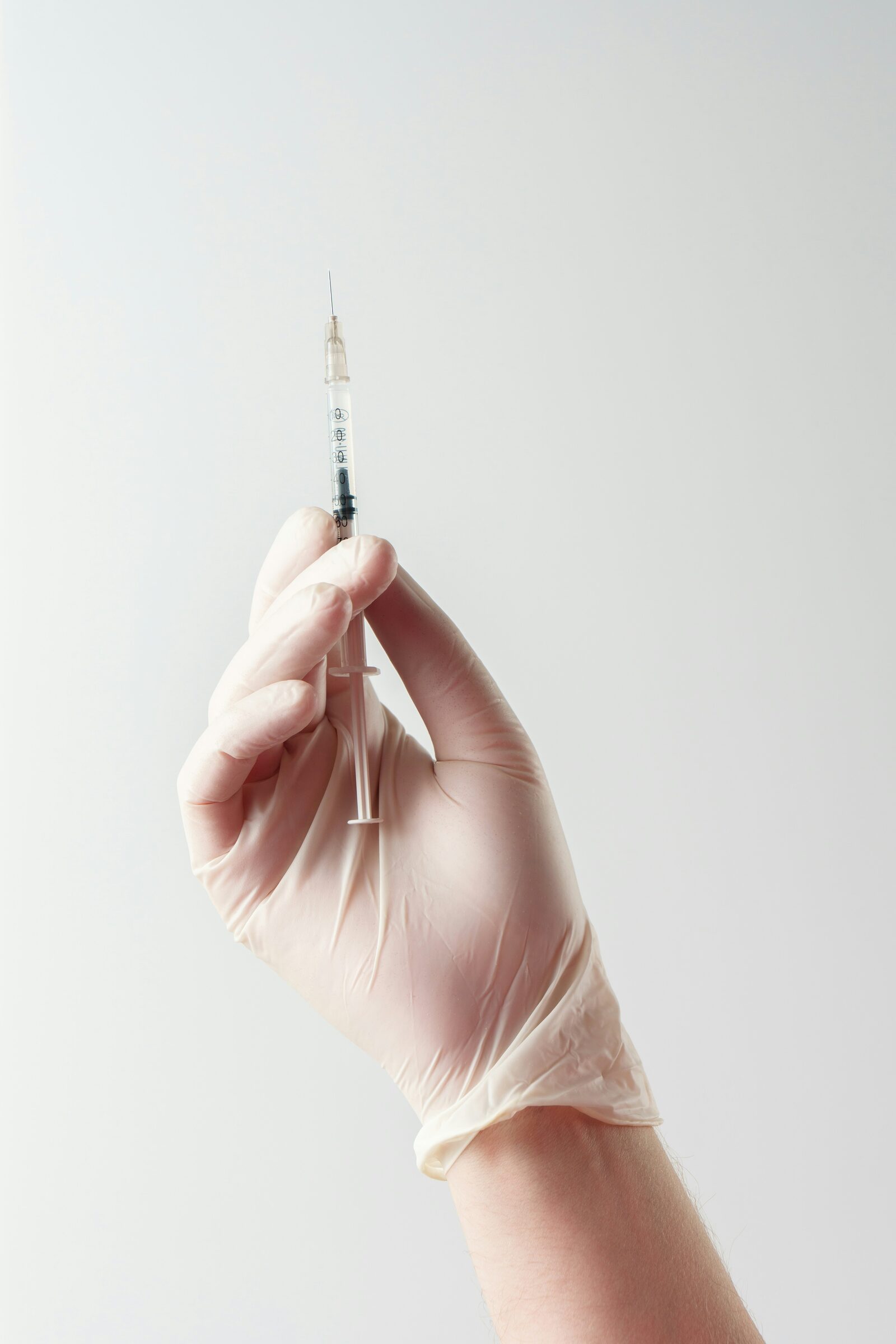
Questions

Your questions about BodyTITE.

How long will I wear the compression garment?

Most people wear it for several weeks, and your clinician sets the exact time for your area. It supports healing and helps control swelling.

How does BodyTITE compare with Evolve Trim & Tite?

Evolve is hands-free, with applicators resting on the skin and no entry points, with a plan confirmed by the clinical team. BodyTITE works beneath the skin in a single procedure with local anesthesia, so it asks for more recovery in exchange for a stronger effect on fat and skin.

Will I be numb afterward?

Numbness or altered sensation is common and can last days to weeks. In most published series it settles within months, though a small number of people have it for longer.

Will I need a second procedure?

Most people do not. In one published series of upper-arm treatments, roughly one person in twelve had a repeat radiofrequency session around a year later.

What are the risks?

Swelling, bruising and numbness are common. Less often there can be burns, fluid collections called seromas, firm lumps of fat, scarring, infection or temporary nerve irritation, which is why the procedure is done under physician direction.

General treatment information. Your clinician explains the choices appropriate for you.

TITE procedures · 03 of 03

AccuTITE

Minimally invasive radiofrequency for small, precise areas.

Typical visit
45–90 min
Downtime
Plan time away from routineSwelling and altered sensation may persist for weeks.
First results
2–9 weeks
Lasts
Long-lasting; aging continues
Treatment plan
Usually one procedureFollow-up reviews are separate; further treatment is individualized.

Typical estimates. Your clinician explains the timing, recovery and treatment plan for you.

In brief

What this treatment does.

AccuTITE uses a small probe beneath the skin for precise radiofrequency treatment. It involves anesthesia and recovery. The clinician must assess the particular area; possible device applications do not mean every area is offered by this practice.

  • Looseness beneath the brow
  • Delicate skin around the eyes
  • Deepening smile lines

Prices & options

Choose your area or option.

From $3,000

Starting procedure price. Confirm areas, anesthesia, dressings or garments and follow-up in the written quote.

Listed service
Book online

Choose your service again on Vagaro to schedule your appointment.

Menu prices observed November 1, 2026. Confirm current availability, inclusions and your total before booking.

Full service menu

Before you decide

Suitability and important risks.

This is a minimally invasive procedure, with risks including burns, infection, scarring and nerve injury. Anesthesia, the treatment area and recovery arrangements must be discussed before deciding.

Your health, medicines and previous treatments affect what is appropriate. Discuss benefits, risks and alternatives with the clinical team.

Who might consider it, and when to ask first

Often a good fit

  • Adults with mild looseness in a small, defined area
  • People with a little fat and a little laxity together
  • Those in good general health with realistic expectations
  • Anyone who wants a precise, minimally invasive option

Discuss before booking

  • Anyone pregnant or breastfeeding
  • A pacemaker, internal defibrillator or other electronic implant
  • A bleeding disorder, active infection or uncontrolled illness
  • Significant excess skin, an eye condition near the area, or any other open question, which your clinician will talk through with you first.

Visit & aftercare

Know what to expect.

The visit, step by step
  1. TITE consultation

    Arrange a TITE consultation to assess your goals, the treatment area, health history and alternatives before deciding on a procedure.

  2. Preparation

    If proceeding, ask for a written plan covering anesthesia, medications, transport, garments or dressings, and follow-up. Do not stop prescribed medicine without the prescribing clinician’s advice.

  3. Numbing

    The practice explains the proposed anesthesia and any sedation, who provides it, and whether you need someone to take you home.

  4. Treatment

    A probe beneath the skin and an electrode above it deliver radiofrequency while temperature is monitored. 45–90 min This is an estimate; the area and any additional procedures affect the visit.

  5. Recovery

    Plan time away from routine. Swelling and altered sensation may persist for weeks. The clinical team explains garments or dressings, time off work and when to resume exercise for your procedure.

  6. Results and follow-up

    Your clinician reviews healing and explains how results may develop over the following months. Usually one procedure. Follow-up reviews are separate; further treatment is individualized.

Caring for your skin afterwards
  • Follow your clinician’s instructions on any garment or dressing for the area.
  • Keep your head raised, including at night, for the first few days after face or neck treatment.
  • Avoid strenuous exercise and heat until we say you may return.
  • Keep the entry points clean and dry, and do not rub or press on the area.
  • Call us promptly about increasing pain, fever, spreading redness, a blister, or any change in vision.
Areas and concerns to discuss

Brow

Loose skin beneath the brow, treated with the finest probe. Confirm that this area is offered and appropriate for you.

Around the eyes

Periorbital skin, where precision matters most. Confirm that this area is offered and appropriate for you.

Smile lines

The nasolabial folds beside the nose and mouth. Confirm that this area is offered and appropriate for you.

Neck

Small, localized areas of looseness. Confirm that this area is offered and appropriate for you.

Underarms

Fullness and looseness in the axilla. Confirm that this area is offered and appropriate for you.

Knees & inner thighs

Small zones of softness above the knee and along the inner thigh. Confirm that this area is offered and appropriate for you.

How it works & evidence

The detail behind the treatment.

How it works, evidence and device labeling

AccuTITE uses the same technique as the other TITE procedures on a smaller scale. Your clinician passes a very fine probe just under the skin while an electrode rests above it, and radiofrequency energy warms the tissue between them. The skin contracts as it heals, and small amounts of fat in the area are coagulated.

AccuTITE is made by InMode and runs on the InMode RF System, which is FDA-cleared through the 510(k) pathway for use in dermatological and general surgical procedures for electrocoagulation and hemostasis. InMode describes AccuTITE as its smallest minimally invasive radiofrequency device, made for delicate areas. The clearance does not name individual areas, so the choice of area rests on physician judgment and published experience, and results vary.

Usually one procedure. Follow-up reviews are separate; further treatment is individualized. Local anesthesia is commonly used, but the practice must confirm the proposed technique, anesthesia and recovery arrangements. Plan time away from routine. Swelling and altered sensation may persist for weeks.

Device clearance and approval apply to particular products and uses. Ask which device or formulation will be used for your treatment.
Questions

Your questions about AccuTITE.

How is AccuTITE different from FaceTITE?

Both use the same technique. AccuTITE has the smallest probe and is used for small or delicate areas such as around the eyes, while FaceTITE is used for the lower face and neck. Your clinician will recommend one, or both, at your consultation.

How does it compare with Forma?

Forma warms the skin from the outside, with no entry points and usually little interruption to routine. AccuTITE works beneath the skin, so it reaches deeper tissue in a small area, in exchange for local anesthesia and some days of swelling.

Does it hurt?

The area is numbed with local anesthetic, so most people feel pressure and warmth rather than pain. Tenderness and tightness are common afterward.

Is treatment around the eyes safe?

The skin there is thin, so treatment is planned with particular care and only where your clinician judges it appropriate. The cleared wording does not name the eye area, which is why we discuss this plainly at your consultation.

When will I see the result?

2–9 weeks Long-lasting; aging continues

General treatment information. Your clinician explains the choices appropriate for you.